Stop Guessing.
Start Knowing
Identify your real skin type and transform your skin.
Get Your InstantSkin Care Routine
Exfoliating your skin can feel satisfying. Your face looks smoother, dead skin cells are removed, and skincare products seem to apply more evenly. But what happens when you exfoliate too often?
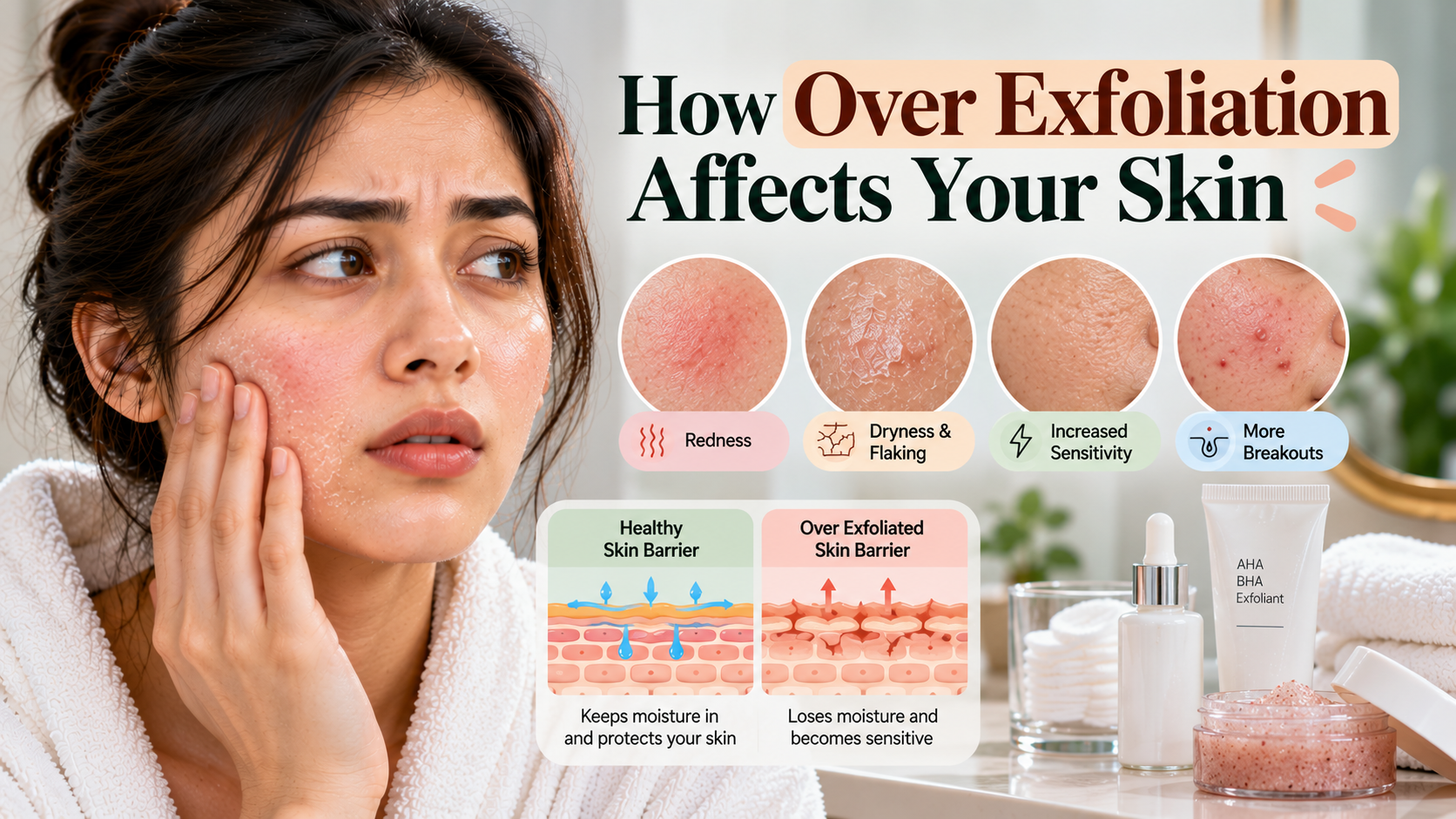
You might notice that your face suddenly feels tight, your usual moisturizer starts stinging, or your skin becomes red and irritated. Sometimes, you may even experience more breakouts despite using products intended to improve your complexion.
These changes could be signs of over exfoliation.
Exfoliation can be a useful part of skincare, but more is not always better. Removing dead skin cells too aggressively can disrupt your skin’s protective barrier and cause problems that take time to settle.
Understanding how over exfoliation affects your skin can help you recognize early warning signs, avoid unnecessary irritation, and build a routine that suits your skin type.
What Is Skin Exfoliation?
Your skin naturally sheds dead cells from its outermost layer through a process called desquamation.
This process helps maintain the skin’s surface as new cells move upward and older cells are gradually released.
Exfoliation is a skincare technique that helps remove dead cells from the skin’s surface.
There are two main approaches.
Physical Exfoliation
Physical exfoliation involves manually removing surface skin cells using friction.
Common examples include:
- Facial scrubs
- Exfoliating brushes
- Rough cleansing cloths
- Textured cleansing tools
- Facial polishing products
Physical exfoliation can make the skin feel smoother, but excessive pressure or frequent scrubbing may cause irritation.
Chemical Exfoliation
Chemical exfoliation uses ingredients that help loosen the bonds between dead skin cells.
Common ingredients include:
- Glycolic acid
- Lactic acid
- Salicylic acid
- Mandelic acid
- Other alpha hydroxy acids and beta hydroxy acids
These ingredients are commonly found in toners, serums, cleansers, and exfoliating treatments.
Chemical exfoliants can be useful for concerns such as rough texture, clogged pores, and uneven skin tone. However, their effects depend on concentration, formulation, frequency, and individual skin tolerance.
What Is Over Exfoliation?
Over exfoliation happens when exfoliating products or techniques are used more aggressively than your skin can comfortably tolerate.
Your skin needs its outer protective layer to function properly.
When exfoliation becomes excessive, the skin may develop irritation and experience increased water loss.
This can leave your face feeling dry, sensitive, or uncomfortable.
Over exfoliation doesn’t necessarily mean using an exfoliating product every day.
Someone may tolerate a particular gentle formulation regularly, while another person may develop irritation from using a stronger product only a few times.
Your skin’s response matters more than following a fixed exfoliation schedule.
7 Signs You May Be Over Exfoliating Your Skin
Recognizing early symptoms can help prevent further irritation.
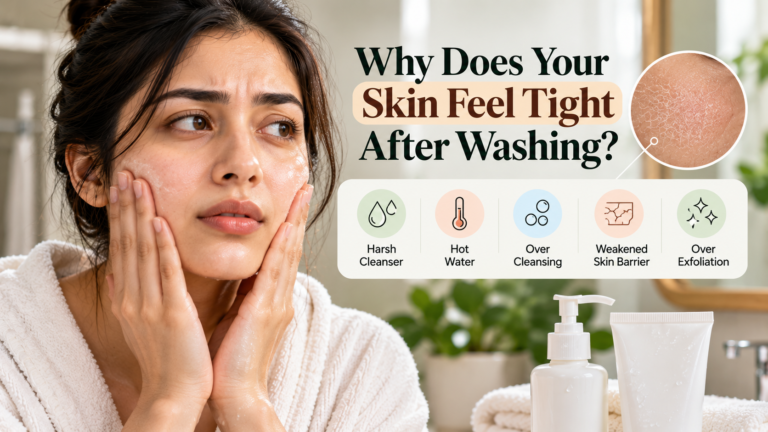
1. Your Skin Feels Tight After Washing
If your face feels unusually stretched after cleansing, your skin may be experiencing excessive dryness or irritation.
This is particularly noticeable when a cleanser that previously felt comfortable suddenly leaves your face tight.
2. Redness That Doesn’t Settle Quickly
Mild temporary redness can occur after certain skincare treatments.
However, persistent redness following exfoliation may indicate irritation.
Continuing to exfoliate despite ongoing redness can make the problem worse.
3. Burning or Stinging When Applying Products
Your moisturizer should not regularly cause a burning sensation.
If familiar products suddenly sting, your skin may be more irritated than usual.
Even products without exfoliating ingredients can feel uncomfortable when the skin barrier is disrupted.
4. Dry, Flaky or Rough Patches
Exfoliation is often used to improve rough texture, but excessive exfoliation can have the opposite effect.
Your skin may begin peeling or developing dry patches.
This can create a frustrating cycle where you exfoliate again to remove the flakes, making irritation worse.
5. Increased Skin Sensitivity
Your skin may become unusually reactive to products, water, temperature changes, or environmental conditions.
You might notice discomfort after washing or spending time outdoors.
6. Unexpected Breakouts
Irritated skin can sometimes develop small bumps or acne like eruptions.
However, not every breakout following exfoliation is caused by over exfoliation. Acne, allergic reactions, and other conditions can look similar.
If breakouts become persistent or severe, professional evaluation is important.
7. Skin Looks Shiny but Feels Uncomfortable
An unusually smooth or shiny appearance is sometimes mistaken for healthy skin.
However, if your face looks shiny while feeling tight, tender, or irritated, it may be a sign that your routine is too aggressive.
Healthy looking skin should not require persistent discomfort.
How Over Exfoliation Damages Your Skin Barrier
Your skin barrier is primarily located in the outermost layer of your skin, known as the stratum corneum.
It contains skin cells surrounded by lipids that help limit moisture loss and protect against environmental irritants.
When this protective structure is functioning well, your skin is better able to maintain hydration and tolerate everyday exposure.
Excessive exfoliation can interfere with this balance.
As irritation develops, your skin may lose water more easily and become less comfortable.
This can contribute to:
- Dryness
- Tightness
- Redness
- Increased sensitivity
- Flaking
- Stinging
- Irritation from previously tolerated products
The severity varies depending on the exfoliating method, product strength, and individual skin condition.
Can Over Exfoliation Cause Acne?
Over exfoliation does not directly cause every type of acne, but excessive irritation can make an existing skincare problem harder to manage.
For example, someone using strong exfoliating products to control oily skin may develop dryness and inflammation.
They may then introduce additional acne treatments, creating even more irritation.
This can make it difficult to distinguish ordinary breakouts from reactions caused by skincare products.
Another common misconception involves skin purging.
Some active ingredients can temporarily increase visible breakouts as existing clogged pores develop, but new irritation should not automatically be dismissed as purging.
Persistent burning, swelling, intense redness, or worsening discomfort are reasons to reconsider your routine.
How Over Exfoliation Affects Different Skin Types
Not every skin type responds to exfoliation in the same way.
Oily Skin
People with oily skin sometimes believe they need frequent exfoliation to control excess oil.
However, aggressive exfoliation can cause irritation without solving the underlying tendency to produce sebum.
A gentle cleanser and appropriately selected treatments are generally more useful than repeatedly stripping the skin.
Dry Skin
Dry skin may already struggle with moisture retention.
Frequent exfoliation can increase discomfort, particularly when combined with strong cleansers or inadequate moisturizing.
Combination Skin
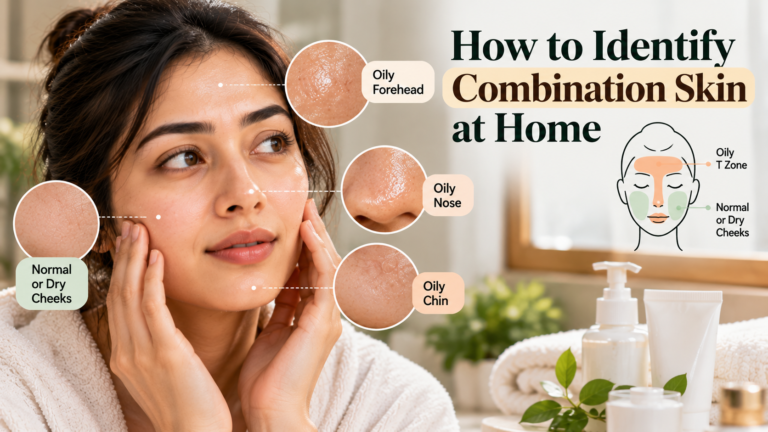
Combination skin often has an oilier forehead, nose, and chin alongside normal or dry cheeks.
Using strong exfoliating products across the entire face may irritate the drier areas.
Sensitive Skin
Sensitive skin may react more easily to certain exfoliating ingredients or techniques.
People with persistent sensitivity should introduce active products cautiously and seek professional advice when irritation continues.
Why Over Exfoliation Matters for Asian Skin
Many South Asian skin tones have a tendency to develop visible pigmentation following inflammation.
This is known as post inflammatory hyperpigmentation.
When irritation or inflammation occurs, the skin may produce excess pigment, leaving darker marks after the initial problem settles.
For some people, these marks can remain visible for weeks or months.
This makes avoiding unnecessary irritation particularly important for people prone to pigmentation.
Using stronger exfoliating products does not automatically produce faster or better results.
A gradual approach that respects skin tolerance may help reduce the risk of unwanted irritation and pigmentation changes.
Common Habits That Lead to Over Exfoliation
Over exfoliation often happens unintentionally.
You may be using several products that affect the skin’s surface without realizing how they interact.
Common mistakes include:
- Using an exfoliating cleanser alongside a strong exfoliating serum
- Applying multiple exfoliating acids in one routine
- Scrubbing the face aggressively
- Increasing exfoliation frequency too quickly
- Continuing despite burning or persistent redness
- Using strong active products without adequate moisturizing
- Combining irritating treatments without considering skin tolerance
Retinoids are not the same as exfoliating acids, but they can also cause irritation. Combining them with frequent exfoliation may make a routine harder to tolerate.
Checking your complete skincare routine is therefore more useful than examining only one product.
How to Help Your Skin Recover from Over Exfoliation
If you suspect your skin has become irritated from excessive exfoliation, the first step is to stop the activity causing the problem.
Stop Exfoliating Temporarily
Pause facial scrubs, exfoliating acids, and other potentially irritating products.
Avoid introducing new active ingredients while your skin is uncomfortable.
Use a Gentle Cleanser
Choose a mild cleanser that does not leave your face feeling excessively tight.
Avoid harsh scrubbing, abrasive brushes, and very hot water.
Apply a Suitable Moisturizer
Moisturizing products can help reduce water loss and improve skin comfort.
Look for ingredients such as:
- Ceramides
- Glycerin
- Petrolatum
- Hyaluronic acid
- Other appropriate moisturizing ingredients
A richer cream may be helpful for particularly dry areas, depending on your skin type.
Protect Your Skin from Sun Exposure
Irritated skin deserves careful sun protection.
Use a broad spectrum sunscreen with SPF 30 or higher that your skin tolerates.
Also consider shade, protective clothing, and avoiding unnecessary intense sunlight.
Give Your Skin Time
There is no universal recovery period.
Mild irritation may settle relatively quickly, while more significant reactions can take longer.
Avoid restarting exfoliation simply because the redness has improved for one day.
If symptoms are severe, persistent, or worsening, consult a dermatologist.
How Often Should You Exfoliate Your Face?
There is no single exfoliation schedule suitable for everyone.
Frequency depends on:
- Skin type
- Product formulation
- Ingredient concentration
- Skin sensitivity
- Existing skincare treatments
- Individual tolerance
Some people may benefit from occasional exfoliation, while others may not need a dedicated exfoliating product at all.
If you are new to exfoliating acids, start cautiously according to the product instructions and your dermatologist’s recommendations.
Do not assume that daily exfoliation is necessary for healthy skin.
Can You Exfoliate Without Damaging Your Skin?
Yes, exfoliation can be incorporated into a routine when appropriate products are used carefully.
Start by understanding your skin type and the concern you want to address.
Choose one suitable exfoliating product rather than combining several immediately.
Avoid aggressive scrubbing.
Pay attention to how your skin feels after application.
Maintain a simple routine with gentle cleansing, moisturizing, and sun protection.
Most importantly, stop or reduce exfoliation if persistent irritation develops.
When Should You See a Dermatologist?
Some reactions require more than a change in skincare products.
Seek medical advice if you experience:
- Severe burning or pain
- Significant swelling
- Blistering
- Cracked or bleeding skin
- Persistent redness
- Signs of infection
- Irritation that does not improve after stopping the suspected products
If you develop severe swelling, widespread blistering, or other serious symptoms after applying a product, seek prompt medical attention.
A dermatologist can help determine whether the problem involves irritant contact dermatitis, an allergic reaction, an underlying skin condition, or another cause.
Understand Your Skin Before Choosing Exfoliating Products
One reason people struggle with exfoliation is that they choose products based on trends rather than their skin’s actual needs.
Someone with oily skin may tolerate a different routine from someone with dry or sensitive skin.
Combination skin may require additional attention because different areas of the face behave differently.
Before choosing an exfoliating product, start by understanding your skin type.
SkinSense, developed with dermatologist Dr. Usman Lashari, offers a simple assessment that asks questions about how your skin looks, feels, and behaves.
It can help you better understand your skin’s characteristics and make more informed everyday skincare decisions.
Take the SkinSense Assessment: https://skinsense.io
The assessment is an educational tool and does not replace medical diagnosis or personalized treatment.
Final Thoughts
Exfoliation can help improve the appearance and texture of your skin, but excessive exfoliation may create more problems than it solves.
Persistent tightness, redness, flaking, burning, and unusual sensitivity can all indicate that your skincare routine needs attention.
The solution is not always another serum, stronger cleanser, or additional treatment.
Sometimes, your skin needs fewer products and a gentler approach.
Healthy skin is not about removing as many dead skin cells as possible. It is about maintaining a comfortable, functioning skin barrier.
Understand your skin type, choose products carefully, and remember that consistent skincare does not have to be aggressive to be effective.