Stop Guessing.
Start Knowing
Identify your real skin type and transform your skin.
Get Your InstantSkin Care Routine
Choosing sunscreen can feel surprisingly complicated. One product feels greasy, another leaves a visible white cast, and another may make your skin feel dry or uncomfortable. With so many formulas available, picking sunscreen based only on SPF number or popularity is not always the best approach.
Your skin type matters when choosing sunscreen because the formula needs to be comfortable enough for you to use consistently. Someone with oily skin may prefer a lightweight formula, while dry skin may benefit from a more moisturizing texture. Sensitive or acne prone skin can have another set of requirements.
The goal is not to find a sunscreen that sounds perfect on paper. It is to find suitable sun protection that works with your skin and that you are comfortable wearing regularly.
Why Sunscreen Should Be Part of Your Daily Skincare Routine
Sunlight contains ultraviolet radiation, commonly discussed as UVA and UVB rays.
UVB is strongly associated with sunburn, while UVA penetrates more deeply into the skin and contributes to premature signs of skin aging and pigmentation. Repeated exposure to ultraviolet radiation can also increase the risk of skin cancer.
This is why sunscreen is not simply a summer skincare product.
Sun exposure can occur during ordinary daily activities, including commuting, walking outside, sitting near windows, playing outdoor sports, or spending time at the beach.
A good starting point for everyday sun protection is a broad spectrum sunscreen with SPF 30 or higher. Higher SPF may be appropriate depending on your exposure, activities, skin concerns, and dermatologist’s advice.
The sunscreen you choose, however, should also make sense for your skin.
Start by Understanding Your Skin Type
Before comparing sunscreen products, take a moment to understand how your skin normally behaves.
Ask yourself:
- Does my face become shiny quickly?
- Does my skin often feel tight or flaky?
- Is my T zone oily while my cheeks feel dry?
- Does my skin react easily to skincare products?
- Do I regularly experience breakouts?
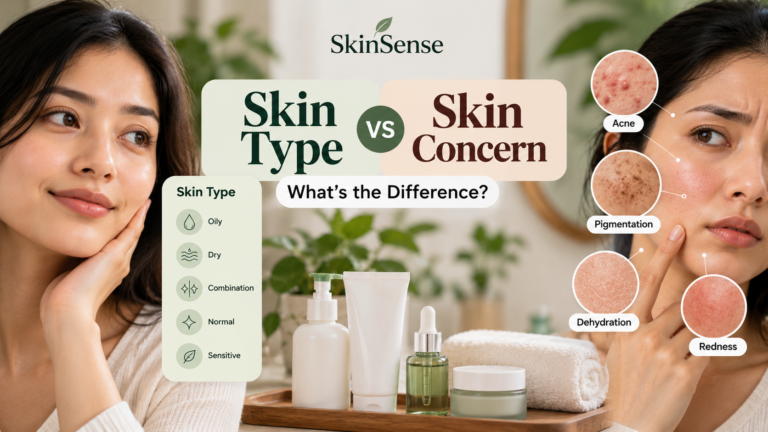
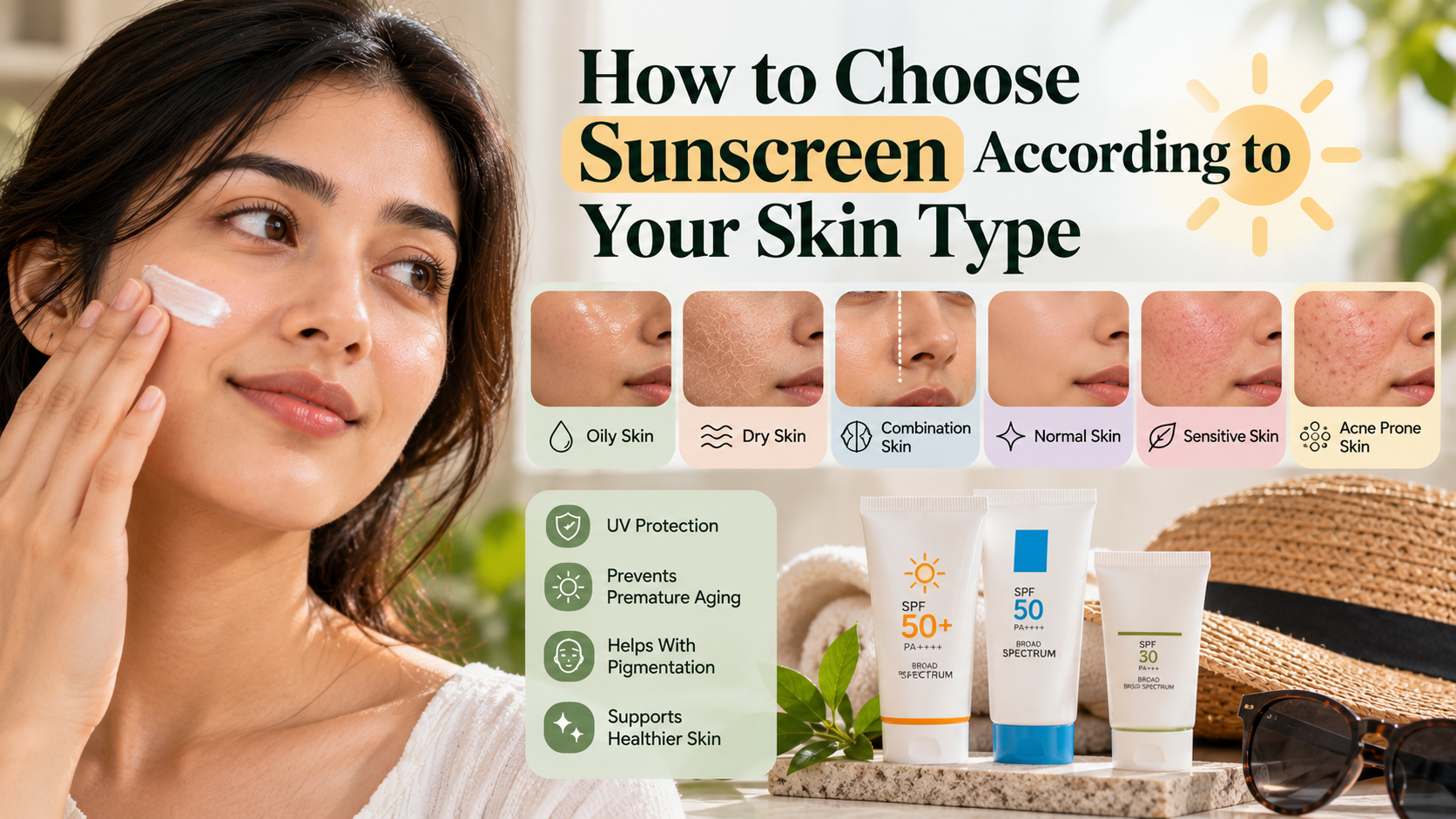
These questions can help you identify whether your skin is generally oily, dry, combination, normal, or sensitive.
Skin type and skin concern are not exactly the same. For example, you can have oily skin that is also dehydrated, or dry skin that experiences acne.
Understanding both can make sunscreen selection much easier.
Best Sunscreen for Oily Skin
People with oily skin often avoid sunscreen because they associate it with a heavy, shiny layer on the face.
That does not mean sunscreen itself is unsuitable for oily skin. It usually means the formula and texture need to be chosen more carefully.
If your skin becomes oily quickly, look for lightweight sunscreen textures such as:
- Gel formulas
- Fluid sunscreens
- Light lotions
- Water based formulations
Products designed to leave a matte or natural finish may also feel more comfortable if excessive shine is a concern.
Heavy creams can sometimes feel uncomfortable on very oily skin, particularly during hot and humid weather.
Another useful consideration is whether the product is labelled as suitable for acne prone skin or designed not to clog pores. These labels do not guarantee that a product will work perfectly for everyone, but they can provide useful guidance when comparing options.
The important point is not to avoid sunscreen because your skin is oily. Instead, find a texture you can comfortably apply in an adequate amount.
Best Sunscreen for Dry Skin
Dry skin usually benefits from a different approach.
If your skin regularly feels tight, rough, flaky, or uncomfortable, an extremely matte sunscreen may make that sensation more noticeable.
Look for sunscreen formulas with a moisturizing cream or lotion texture.
Ingredients commonly found in hydrating skincare products may also make a sunscreen more comfortable for dry skin. These can include:
- Hyaluronic acid
- Glycerin
- Ceramides
- Squalane
- Other moisturizing ingredients
You do not necessarily need sunscreen to replace your moisturizer.
Some people with dry skin may still prefer applying moisturizer first and sunscreen afterward. Others may find that a moisturizing sunscreen provides enough comfort during the day.
Pay attention to how your skin actually feels rather than assuming that every dry skin routine needs exactly the same number of products.
Best Sunscreen for Combination Skin
Combination skin can be more challenging because different areas of the face behave differently.
You may experience oiliness around the:
- Forehead
- Nose
- Chin
while your cheeks remain normal or dry.
A balanced, lightweight lotion or fluid sunscreen is often a practical starting point.
Very rich formulas may make the T zone feel excessively greasy, while extremely drying formulas can leave the cheeks uncomfortable.
You can also adjust the products underneath your sunscreen. For example, if your cheeks need more moisture, moisturizer can be applied according to your skin’s needs before sunscreen.
Finding the right sunscreen for combination skin may require some experimentation because the balance between oil and dryness differs from person to person.
Best Sunscreen for Sensitive Skin
Sensitive skin needs additional consideration.
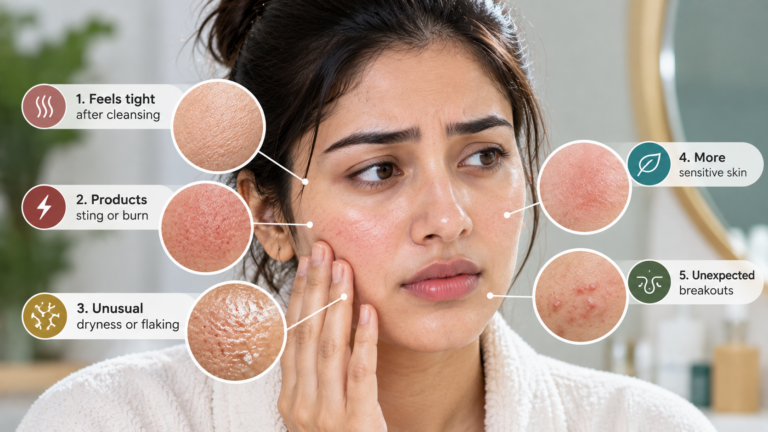
If your skin frequently experiences burning, stinging, redness, or irritation after applying skincare products, avoid selecting sunscreen purely because it is trending online.
Look for a relatively simple formula designed for sensitive skin.
Some people with sensitive skin prefer mineral sunscreen containing ingredients such as zinc oxide or titanium dioxide, although individual reactions and preferences can vary.
Fragrance may also be problematic for some people with sensitive skin, so fragrance free options can be worth considering if you know fragrance tends to irritate your skin.
The best approach is to introduce a new product carefully.
Testing a small amount first can help you see how your skin responds before using the product extensively.
Persistent or severe sensitivity should be discussed with a qualified dermatologist because redness and irritation can sometimes be related to an underlying skin condition rather than simply having a sensitive skin type.
Best Sunscreen for Acne Prone Skin
Acne prone skin does not automatically mean oily skin.
Some people have oily, acne prone skin, while others experience acne alongside dryness or sensitivity.
This distinction matters.
If you have oily and acne prone skin, a lightweight fluid or gel sunscreen may feel more comfortable.
If you have dry and acne prone skin, choosing an extremely matte formula simply because it is marketed toward acne may leave your skin feeling dry.
Look for a product that works with both your skin type and your acne concerns.
You may also want to look for formulations labelled as suitable for acne prone skin.
If you are using acne treatments that make your skin more sensitive or dry, sunscreen becomes particularly important. Your dermatologist can also help you choose sun protection that works alongside your treatment plan.
What About Normal Skin?
If your skin is generally balanced without persistent excessive oiliness or dryness, you have more flexibility when choosing sunscreen.
A lotion, cream, gel, or fluid can potentially work depending on your preference.
Instead of focusing heavily on controlling oil or adding moisture, pay attention to:
- Comfort
- Finish
- Broad spectrum protection
- SPF level
- White cast
- Compatibility with makeup
- Ease of reapplication
Most importantly, choose something you are willing to use consistently.
Mineral vs Chemical Sunscreen: Which Should You Choose?
You may see sunscreens described as mineral, chemical, or hybrid.
Mineral sunscreens typically use UV filters such as zinc oxide and titanium dioxide. Some users with sensitive skin prefer these formulas, although they can sometimes leave a more noticeable white cast depending on the formulation.
Other sunscreen formulations use organic UV filters that absorb ultraviolet energy and convert it into a small amount of heat.
Modern products can also combine different filters.
Rather than assuming that one category is universally better, consider your skin’s tolerance, the protection offered by the product, its cosmetic finish, and whether you can use it consistently.
A sunscreen that suits your skin and gets applied properly is more useful than a theoretically ideal product sitting unused on your shelf.
Consider White Cast When Choosing Sunscreen
White cast can be particularly noticeable on medium and deeper skin tones, making it an important consideration for many South Asian users.
A sunscreen that leaves a strong visible layer may discourage regular use.
When shopping, look for products designed to blend into different skin tones. Tinted sunscreens can also be useful for some people, particularly those concerned about visible cast.
Trying the sunscreen on your actual face is often more informative than testing it only on your hand because skin tone and texture can differ.
Sunscreen for People Who Wear Makeup
If you regularly wear makeup, sunscreen should still remain part of your morning routine.
A common order is:
Cleanser → Moisturizer → Sunscreen → Makeup
Allowing sunscreen to settle before applying foundation may help prevent excessive mixing or pilling.
Texture becomes especially important here.
A very greasy sunscreen may affect how foundation sits, while a formula that becomes excessively dry may make makeup appear patchy.
The right combination depends on your moisturizer, sunscreen, foundation, and skin type.
How Much Sunscreen Should You Apply?
Choosing the right sunscreen is only half the job.
Using too little can reduce the protection you actually receive compared with the labelled SPF.
Sunscreen should be applied generously and evenly to exposed skin. Don’t forget commonly missed areas such as the ears, neck, and around the hairline.
It should also be reapplied when necessary, particularly after swimming, heavy sweating, towel drying, or prolonged outdoor exposure.
For outdoor sports, swimming, or situations involving significant sweating, choose a sunscreen labelled water resistant and follow the product’s reapplication instructions.
Common Sunscreen Mistakes to Avoid
Even a good sunscreen cannot help much if it is used incorrectly.
Common mistakes include:
- Applying too little
- Using sunscreen only during summer
- Skipping areas such as the neck and ears
- Not reapplying during prolonged exposure
- Relying only on sunscreen while spending long periods in strong sunlight
- Choosing a product based purely on social media trends
- Avoiding sunscreen because previous formulas felt greasy
Remember that sunscreen is one part of sun protection. Shade, protective clothing, hats, and limiting unnecessary intense sun exposure can also help reduce UV exposure.
Your Skin Type Can Change How Sunscreen Feels
A sunscreen that works beautifully for your friend may feel terrible on your skin.
Even a product you previously enjoyed can feel different as your skin changes with weather, age, skincare treatments, or other factors.
This is particularly relevant in climates with major seasonal changes. A lightweight sunscreen that feels comfortable during hot weather may not provide the same level of comfort when your skin becomes drier during winter.
You don’t necessarily need to remain loyal to one texture throughout the entire year.
Pay attention to your skin.
Know Your Skin Before Choosing Your Sunscreen
The simplest way to narrow down your sunscreen options is to start with your own skin.
If you have oily skin, consider lightweight formulas.
If your skin is dry, look for more moisturizing textures.
If you have combination skin, aim for balance.
If your skin is sensitive, pay close attention to ingredients and tolerance.
If you are acne prone, consider both your acne concerns and your underlying skin type.
Choosing sunscreen becomes much easier once you stop asking “What is the best sunscreen?” and start asking:
“What kind of sunscreen is suitable for my skin?”
If you are not sure about your skin type, the SkinSense assessment can help you understand your skin through a series of simple questions about how it looks, feels, and behaves.
Take the SkinSense Assessment: SkinSense.io
Final Thoughts
There is no single sunscreen texture or formulation that will feel perfect for everyone.
Oily skin may prefer lightweight protection. Dry skin may need something more moisturizing. Combination skin needs balance, while sensitive and acne prone skin may require more careful product selection.
Whatever your skin type, focus on broad spectrum protection, an appropriate SPF, adequate application, and regular use.
The best sunscreen for your skin is ultimately one that provides appropriate protection, suits your individual needs, and is comfortable enough that you will actually use it consistently.