Stop Guessing.
Start Knowing
Identify your real skin type and transform your skin.
Get Your InstantSkin Care Routine
Knowing your skin type is one of the first steps toward building a skincare routine that actually works for you. The products that suit oily skin may not be the best choice for dry or sensitive skin. Using the wrong products can lead to excess oil, dryness, irritation, or breakouts.
The good news is that understanding your skin does not have to be complicated. By paying attention to how your skin looks and feels, you can get a better idea of whether you have oily, dry, combination, normal, or sensitive skin.
Why Is It Important to Know Your Skin Type?
Your skin has its own needs. A routine designed for someone with oily skin may feel too drying for someone with dry skin. Similarly, a heavy moisturizer that works well for dry skin may feel uncomfortable on oily skin.
Knowing your skin type can help you:
- Choose suitable cleansers and moisturizers
- Find sunscreen that feels comfortable on your skin
- Avoid products that may cause unnecessary irritation
- Build a simpler skincare routine
- Understand why certain products work better for you than others
It also gives you a better starting point when trying new skincare products.
The Main Skin Types
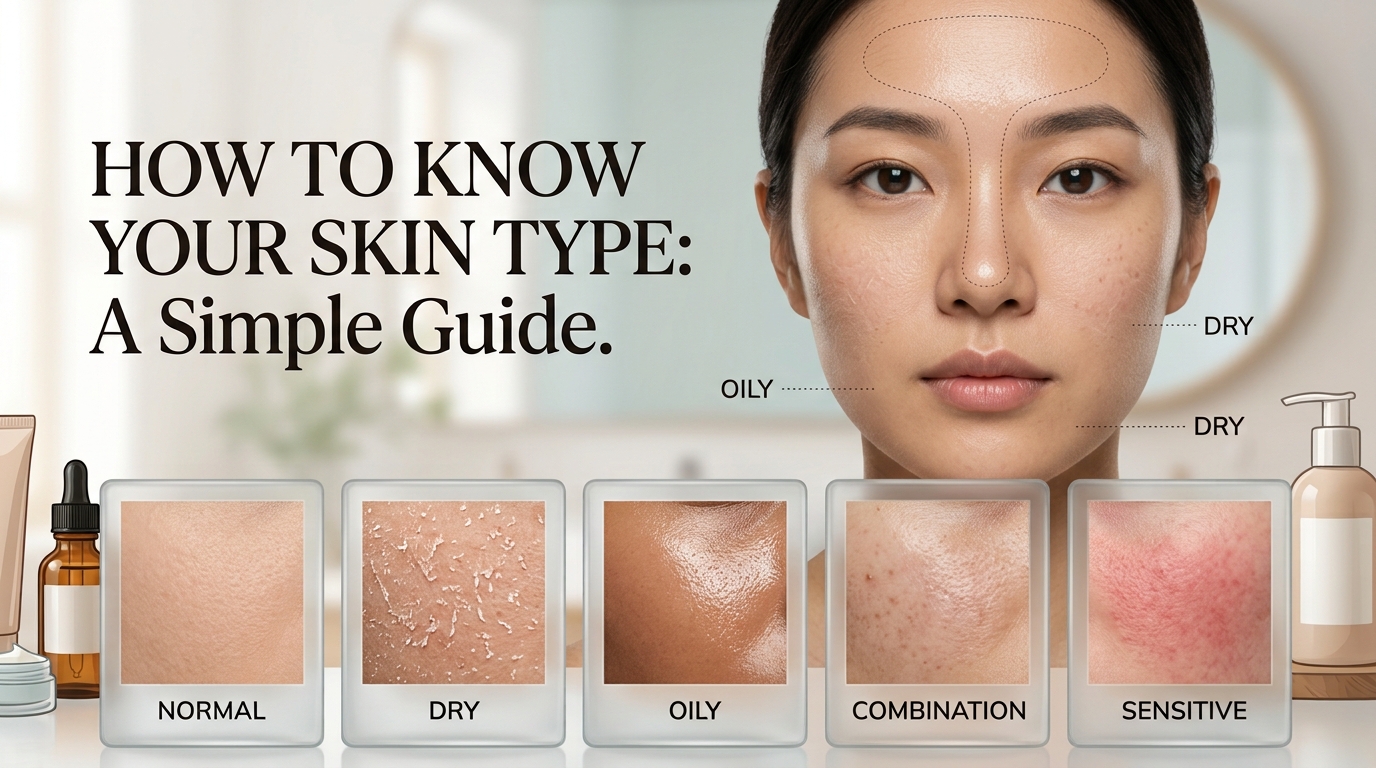
Most people fall into one of five broad categories: oily, dry, combination, normal, or sensitive. Some people may also have skin concerns such as acne, pigmentation, or dehydration alongside their primary skin type.
1. Oily Skin
Oily skin produces more sebum than necessary. Sebum is a natural oil that helps protect your skin, but too much can make the face appear shiny or greasy.
Common signs include:
- Shine across the face
- Larger looking pores
- Frequent blackheads
- Regular breakouts
- Makeup becoming oily quickly
Oily skin does not mean you should avoid moisturizer. In fact, using a suitable lightweight moisturizer can help keep your routine balanced.
2. Dry Skin
Dry skin does not produce enough oil to maintain comfortable moisture levels. It may feel tight, rough, or uncomfortable, especially after cleansing.
You may notice:
- Flaky or rough areas
- Tightness after washing
- Dull looking skin
- Fine lines appearing more noticeable
- Increased sensitivity to some products
A gentle cleanser and a suitable moisturizer can help support the skin’s moisture barrier.
3. Combination Skin
Combination skin has characteristics of both oily and dry skin. The T zone, which includes the forehead, nose, and chin, may become oily while the cheeks remain normal or dry.
Typical signs include:
- An oily forehead and nose
- Dry or normal cheeks
- Visible pores around the nose
- Occasional breakouts in oily areas
- Different areas of the face needing different levels of hydration
This can make product selection slightly more challenging because your entire face may not respond to products in the same way.
4. Normal Skin
Normal skin generally has a good balance of oil and moisture. It is usually neither excessively oily nor excessively dry.
Signs can include:
- Relatively balanced oil production
- Few regular breakouts
- Comfortable skin after cleansing
- Small or less noticeable pores
- Generally even texture
Even if you have normal skin, your needs can change because of weather, age, lifestyle, and skincare habits.
5. Sensitive Skin
Sensitive skin tends to react more easily to certain products, environmental conditions, or other triggers.
You may experience:
- Redness
- Burning or stinging
- Itching
- Tightness
- Irritation after using certain products
Sensitivity is slightly different from the other skin types because it describes how your skin reacts rather than simply how much oil it produces. A person can have oily and sensitive skin, dry and sensitive skin, or combination and sensitive skin.
How Can You Check Your Skin Type at Home?
One simple approach is to observe your skin after cleansing.
Start by washing your face with a gentle cleanser. Pat your skin dry and avoid applying moisturizer, sunscreen, or other skincare products immediately afterward.
Wait for around 30 to 60 minutes and observe how your skin feels.
If your entire face becomes noticeably shiny, you may have oily skin.
If your face feels tight, rough, or uncomfortable, you may have dry skin.
If your forehead and nose become oily while your cheeks feel dry or comfortable, combination skin may be more likely.
If your skin feels comfortable without significant dryness or excessive oil, you may have normal skin.
However, this simple test is only a general guide. Skin can behave differently depending on the weather, humidity, hormones, age, and the products you have been using.
Does Your Skin Type Stay the Same?
Not necessarily.
Your skin can change over time. Someone who had oily skin during their teenage years may experience less oil production later in life. Weather can also make a difference. Hot and humid conditions can increase oiliness, while cold or dry weather may make skin feel drier.
Hormonal changes, medications, stress, lifestyle, and skincare products can also affect how your skin behaves.
That is why it is better to look at your skin’s overall pattern rather than judging it from one day.
Choose Skincare Based on Your Skin
Once you have a better understanding of your skin type, choosing skincare products becomes easier.
Oily skin may benefit from lightweight, non-comedogenic products. Dry skin often needs gentle cleansing and more moisturizing ingredients. Combination skin may require a balanced approach. Sensitive skin generally benefits from a simple routine with products that are less likely to cause irritation.
Regardless of your skin type, a basic routine usually includes three important steps: cleanser, moisturizer, and sunscreen.
You do not need a shelf full of products to take care of your skin. The right products for your individual needs matter more than having a complicated routine.
Still Not Sure About Your Skin Type?
It is easy to confuse oily skin with dehydrated skin or mistake temporary irritation for sensitive skin. Looking at your face alone may not always give you a clear answer.
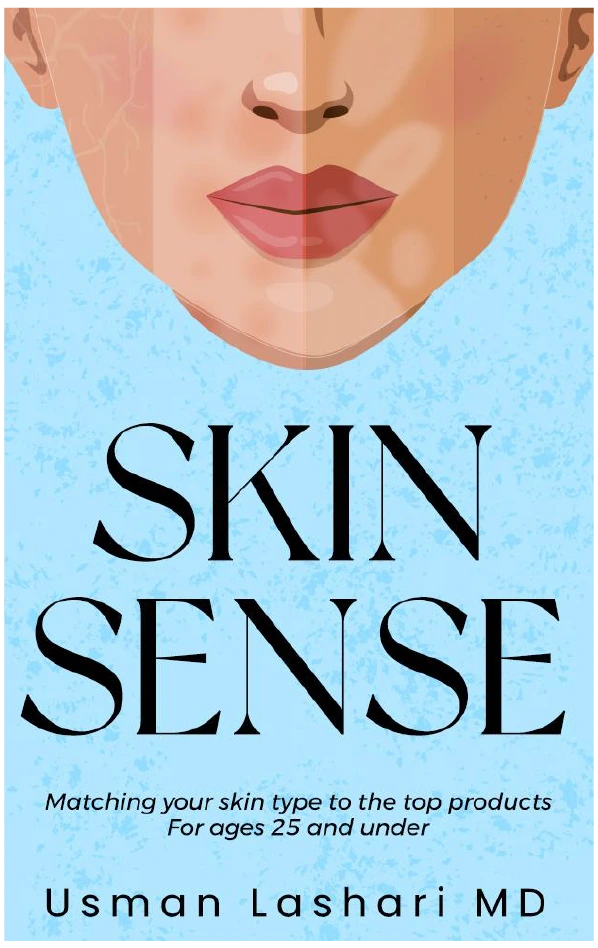
That is where SkinSense can help.
The SkinSense assessment asks you a series of simple questions to help you understand your skin type. It gives you a convenient starting point for making better skincare decisions.
🌐 Take the 1 minute SkinSense Assessment: https://skinsense.io
Final Thoughts
Knowing your skin type gives you a better foundation for your skincare routine. Oily, dry, combination, normal, and sensitive skin all have different needs, and those needs can change with time.
Instead of copying someone else’s routine, start by understanding your own skin. Once you know what your skin needs, choosing suitable products becomes much easier.
Know your skin. Choose better skincare.