Stop Guessing.
Start Knowing
Identify your real skin type and transform your skin.
Get Your InstantSkin Care Routine
Acne is one of the most common skin concerns, affecting teenagers and adults alike. While many people associate acne with adolescence, breakouts can occur at almost any age and can continue well into adulthood. Acne may appear as blackheads, whiteheads, pimples, pustules, or deeper and more painful nodules and cysts.
The good news is that acne is manageable. Understanding what causes breakouts, identifying personal triggers, and building a consistent skincare routine can make a significant difference. Clearer skin usually does not come from using more products or trying a new treatment every week. Instead, it often comes from understanding your skin and following a routine that addresses its specific needs.
What Causes Acne?
Acne develops when pores become clogged. Your skin naturally produces an oily substance called sebum, which helps keep the skin lubricated. However, when excess oil combines with dead skin cells inside a pore, it can create the ideal environment for breakouts.
Several factors are involved in acne development:
Excess Oil Production
People with oily or acne-prone skin may produce more sebum than their pores can effectively manage. Excess oil can mix with dead skin cells and contribute to clogged pores, leading to blackheads, whiteheads, and other types of acne.
Clogged Pores
Dead skin cells naturally shed from the surface of the skin. When these cells become trapped inside pores along with oil, blockages can form. This is one of the key processes behind acne development.
Bacteria and Inflammation
When a clogged pore becomes inflamed, it can develop into a red or painful breakout. Some forms of acne involve increased inflammation and bacterial activity within the affected pore, which can make blemishes more noticeable and difficult to manage.
Hormonal Changes
Hormones play a major role in acne. During puberty, increased androgen activity can stimulate the skin’s oil glands, leading to more oil production and clogged pores. Hormonal changes can also contribute to acne during adulthood.
For some people, breakouts may appear or worsen during certain stages of life when hormonal fluctuations affect the skin.
Common Acne Triggers
Acne triggers are not exactly the same as the underlying causes of acne. A trigger may not create acne on its own, but it can worsen existing acne or increase the likelihood of breakouts in someone who is already acne-prone.
Stress
Stress does not directly cause acne, but research suggests that it can worsen existing breakouts. When stress levels increase, changes in the body may affect oil production and inflammation, making acne more difficult to control.
Managing stress may not completely eliminate acne, but healthy habits such as regular sleep, exercise, and relaxation can support overall wellbeing and may help reduce the impact of stress-related flare-ups.
Lack of Sleep
Poor sleep can affect the body in many ways, including stress levels and overall skin health. While sleep alone is not a guaranteed acne cure, consistently getting too little sleep may contribute to conditions that worsen existing breakouts.
Certain Skincare and Makeup Products
Heavy or pore-clogging products can make acne worse for some people. This includes certain makeup, moisturisers, sunscreens, and hair care products.
When choosing products for acne-prone skin, look for labels such as:
- Non-comedogenic
- Oil-free
- Won’t clog pores
- Non-acnegenic
These products are generally designed to reduce the risk of clogging pores.
Oily Hair Products
Hair products can sometimes contribute to breakouts, particularly around the forehead and hairline. Oils, pomades, and other heavy products may transfer from the hair to the skin and clog pores.
Keeping oily hair products away from the face and washing hair regularly may help reduce this issue.
Sweating and Friction
Sweat itself does not automatically cause acne, but sweat combined with friction, tight clothing, sports equipment, or repeated rubbing can irritate the skin and contribute to breakouts.
After exercising, gently cleanse the skin rather than aggressively scrubbing it. Pat sweat away with a clean towel instead of rubbing the skin roughly.
Mistakes That Can Make Acne Worse
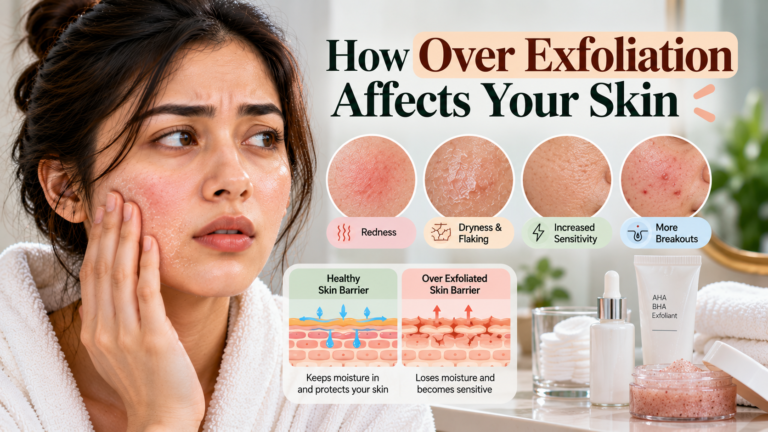
When people experience frequent breakouts, the natural reaction is often to wash more, scrub harder, or use multiple acne treatments at once. Unfortunately, these habits can irritate the skin and make the problem worse.
Overwashing
Washing your face repeatedly throughout the day can strip and irritate the skin. For most people with acne-prone skin, gentle cleansing twice daily and after significant sweating is usually enough.
Use a mild cleanser and avoid aggressive scrubbing, harsh brushes, or abrasive exfoliating tools.
Using Too Many Products
Adding several new treatments at once makes it difficult to determine what is helping and what is irritating your skin. Some active ingredients can also cause dryness and irritation when used too frequently or combined without care.
A simpler routine is often easier to maintain and allows you to monitor how your skin responds.
Popping Pimples
Squeezing or picking at acne can push material deeper into the skin, increase inflammation, and raise the risk of scarring or dark marks.
Although it can be tempting, it is better to allow appropriate treatment to work rather than trying to remove breakouts manually.
Changing Treatments Too Quickly
Acne treatment takes time. Switching products every few days or every week can irritate the skin and make it difficult to judge whether a treatment is effective.
Consistency is important. Many acne treatments require several weeks of regular use before noticeable improvement appears.
How to Build a Clear Skin Routine
A clear skin routine does not need to be complicated. The best routine is one that matches your skin type, addresses your concerns, and is simple enough to follow consistently.
Step 1: Start With a Gentle Cleanser
Cleanse your face in the morning and evening using a gentle cleanser suitable for your skin type. Avoid harsh scrubs or products that leave your skin feeling extremely dry or tight.
Clean skin is important, but overly aggressive cleansing can damage the skin barrier and increase irritation.
Step 2: Use Targeted Acne Treatments Carefully
Acne treatments can help address concerns such as clogged pores, inflammation, and recurring breakouts. The right option depends on the type and severity of acne.
If you are using an active treatment, introduce it carefully and follow the product instructions. Avoid assuming that using more product will produce faster results.
Some people may benefit from professional guidance, especially if they have persistent, severe, deep, or painful acne.
Step 3: Don’t Skip Moisturiser
One of the biggest misconceptions about acne-prone skin is that moisturiser should be avoided. Even oily skin can become dehydrated or irritated.
Choose a lightweight, non-comedogenic moisturiser that supports your skin barrier without feeling excessively heavy. Maintaining healthy hydration can also make certain acne treatments easier for the skin to tolerate.
Step 4: Wear Sunscreen Every Day
Sun protection should be part of a regular skincare routine. Choose a broad-spectrum sunscreen that is suitable for acne-prone skin and labelled non-comedogenic or oil-free.
Sun exposure can also worsen the appearance of dark marks left behind after breakouts, making consistent sun protection particularly important.
Step 5: Stay Consistent
The most effective skincare routine is usually the one you can follow consistently. Give products enough time to work and avoid making constant changes based on overnight results.
Keep your routine simple and pay attention to how your skin responds over several weeks.
When Should You See a Dermatologist?
Mild acne can often be managed with appropriate skincare and over-the-counter treatments. However, professional support may be necessary if you experience:
- Deep or painful acne
- Cysts or nodules
- Persistent breakouts that do not improve
- Acne scarring
- Significant dark marks after acne
- Acne that affects your confidence or quality of life
A dermatologist can help identify the type of acne you have and recommend a treatment plan based on your individual needs. Early treatment can also help reduce the risk of long-term scarring.
Understand Your Skin Before Building Your Routine
Acne is not a one-size-fits-all concern. A routine that works well for one person may not be suitable for another because skin can differ in oil production, sensitivity, hydration, texture, and acne frequency.
Before adding more products to your routine, it can be helpful to better understand your skin type and specific concerns.
SkinSense.io offers a free online skin assessment designed to help users understand their skin type, identify concerns such as acne and sensitivity, and receive more personalised skincare guidance. The assessment takes only a few minutes and can help reduce the guesswork involved in building a skincare routine.
A clearer routine starts with a better understanding of your skin. Take the SkinSense skin assessment and use your results as a starting point for making more informed skincare choices.