Stop Guessing.
Start Knowing
Identify your real skin type and transform your skin.
Get Your InstantSkin Care Routine
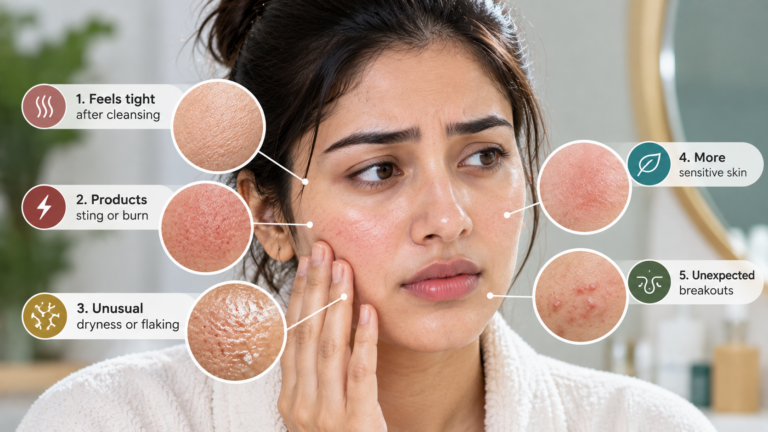
You wash your face expecting it to feel clean and refreshed, but a few minutes later something feels wrong. Your cheeks feel stretched, your face becomes uncomfortable, and smiling may even make the skin feel unusually tight.
Many people interpret this feeling as a sign that their cleanser has done a great job.
That is not necessarily true.
Skin that feels extremely tight after washing can indicate that your cleansing routine is removing more than dirt, sweat, sunscreen, and excess oil. Your cleanser, water temperature, washing technique, or other skincare habits may also be affecting the natural oils and protective barrier that help keep your skin comfortable.
Understanding why this happens can help you choose a cleansing routine that cleans your face without leaving it feeling stripped.
Is Tight Skin After Washing Normal?
A freshly washed face may naturally feel different because oil, sweat, makeup, sunscreen, and other substances have just been removed.
Persistent tightness or discomfort, however, should not be the goal of cleansing.
Healthy cleansing should leave your skin feeling clean without making it feel excessively dry, stretched, itchy, or irritated.
If you regularly feel an urgent need to apply moisturizer immediately because your face becomes extremely uncomfortable after washing, it may be worth reviewing your cleanser and cleansing habits.
The tight feeling becomes particularly important if it appears alongside:
- Redness
- Flaking
- Rough texture
- Burning
- Itching
- Increased sensitivity
- Dry patches
Stinging when applying skincare products
These signs can suggest that your skin needs a gentler approach.
Why Does Your Face Feel Tight After Cleansing?
There is no single explanation that applies to everyone.
Your skin naturally produces sebum, an oily substance that helps lubricate and protect its surface. The outermost layer of your skin also plays an important role in limiting water loss and protecting against environmental stressors.
Cleansing removes substances from the skin’s surface, which is exactly what it is supposed to do.
Problems can arise when the cleansing process becomes too aggressive.
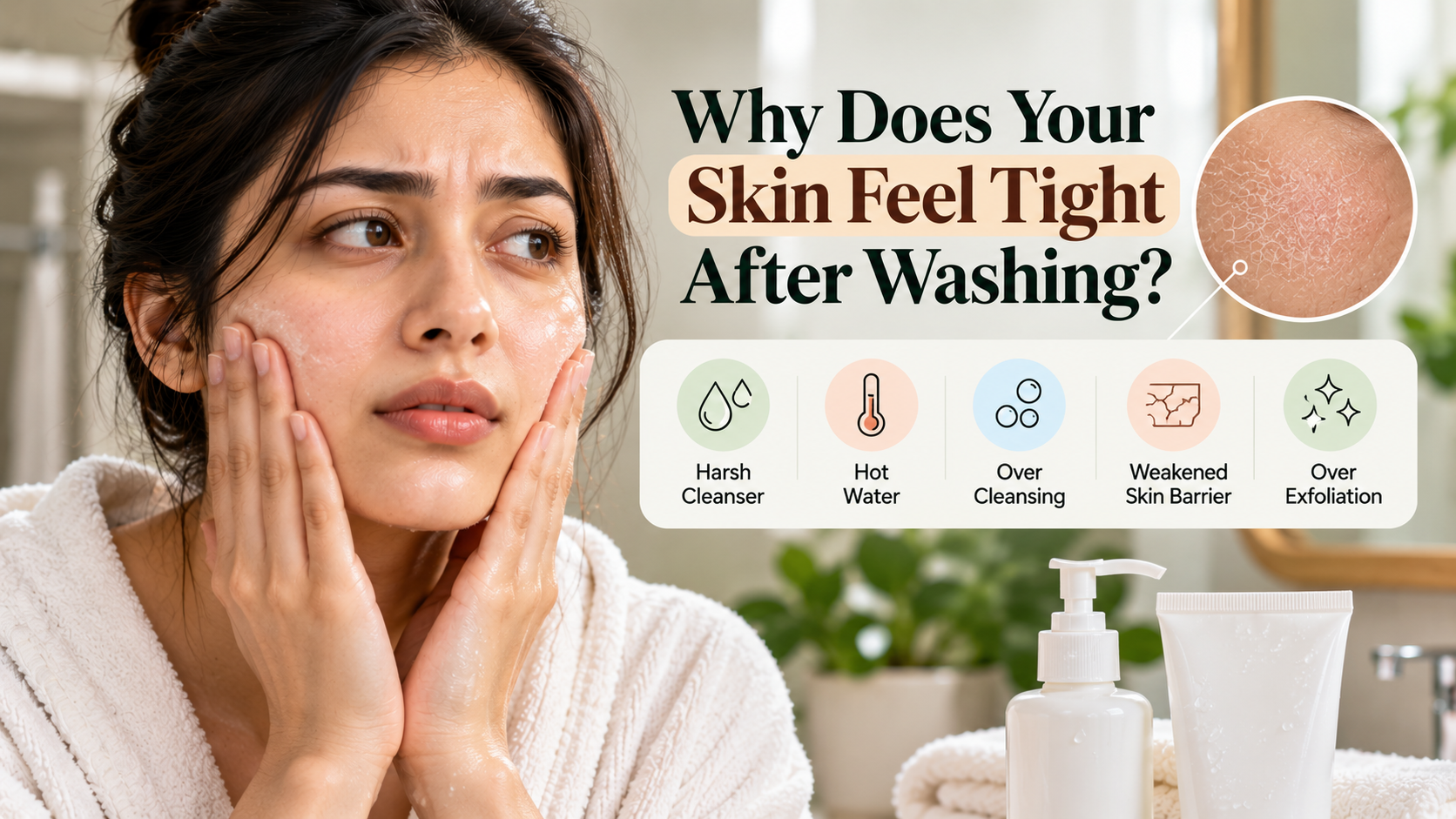
A harsh cleanser, very hot water, excessive washing, or repeated exfoliation can leave the skin feeling dry and uncomfortable.
That tight sensation is therefore not something you need to chase as proof of cleanliness.
Your Cleanser May Be Too Harsh
One of the first things to consider is your cleanser.
Cleansers contain ingredients called surfactants that help lift oil, dirt, and other substances from the skin so they can be rinsed away.
Surfactants are necessary for cleansing, but different formulations behave differently on the skin.
A cleanser that works well for one person may feel too harsh for another.
If your face consistently feels extremely tight after using a particular product, the formulation may not suit your skin’s current needs.
This is particularly relevant for people with naturally dry or sensitive skin.
Instead of judging a cleanser by how much it foams or how “squeaky clean” your face feels afterward, pay attention to how comfortable your skin remains after rinsing.
The “Squeaky Clean” Feeling Is Not the Goal
Skincare marketing and old cleansing habits have sometimes encouraged the idea that completely oil free skin equals clean skin.
This can be misleading.
Your skin is supposed to contain natural oils.
Removing excess oil, sunscreen, makeup, dirt, and sweat is useful. Trying to remove every trace of oil from the surface is different.
That extremely clean sensation may feel satisfying for a few minutes, particularly if you have oily skin, but stronger cleansing does not automatically mean better cleansing.
The goal should be effective cleansing while maintaining skin comfort.
Hot Water Can Make Tightness Worse
Water temperature matters more than many people realize.
Very hot water may feel relaxing, especially during colder weather, but it can contribute to dryness and discomfort.
Try cleansing your face with lukewarm water instead.
It should be comfortable rather than extremely hot or cold.
This simple adjustment may make a noticeable difference if you already have dry or sensitive skin.
Your shower habits matter too. If you regularly wash your face under very hot shower water, changing the cleanser alone may not completely solve the problem.
You May Be Washing Your Face Too Often
Cleansing frequency also matters.
Someone who washes their face repeatedly throughout the day because it feels oily may unintentionally make their skin feel increasingly dry or irritated.
There is no universal cleansing frequency that works perfectly for every person.
Your routine depends on factors such as your skin type, activity level, makeup use, sunscreen, sweating, environment, and dermatologist’s recommendations.
For many people, cleansing in the evening is particularly useful for removing sunscreen, makeup, excess oil, sweat, and substances accumulated throughout the day.
Your morning routine can vary depending on how your skin behaves.
The important point is that washing more frequently does not automatically produce healthier skin.
Oily Skin Can Feel Tight Too
One common misconception is that tightness after washing only affects people with dry skin.
It can happen to oily skin as well.
You may wash your face, experience tightness immediately afterward, and then notice considerable shine later in the day.
This can make skincare confusing.
You might think:
- “My skin gets oily, so I need an even stronger cleanser.”
- That may not be the best conclusion.
- Oiliness and hydration are not the same thing.
- Sebum refers to oil, while skin hydration relates to water.
This means someone can have an oily skin type while also experiencing dehydration or irritation.
If your face becomes shiny but still feels uncomfortable, simply increasing cleansing strength may not address what your skin actually needs.
Dry Skin Often Needs Gentler Cleansing
If your skin naturally produces less oil, aggressive cleansing may be particularly noticeable.
Dry skin may already feel:
- Rough
- Tight
- Flaky
- Less comfortable after washing
A gentle cleanser with a creamy or hydrating texture may feel more suitable than a formula designed primarily for heavy oil removal.
Ingredients used in moisturizing skincare, including glycerin and ceramides, may also be found in some cleanser formulations.
The exact product you choose should depend on your individual skin and how it responds.
Your Skin Barrier May Need Attention
Your skin barrier is the outer protective layer that helps keep water inside while protecting your body from the external environment.
When this barrier becomes disrupted, skin may become more prone to:
- Dryness
- Tightness
- Redness
- Sensitivity
- Flaking
- Stinging
Several skincare habits can contribute to barrier problems.
These include excessive cleansing, frequent exfoliation, using multiple strong active ingredients, or continuing to use products despite persistent irritation.
If your moisturizer, sunscreen, or serum suddenly starts stinging when it previously felt comfortable, it may be worth reviewing your entire routine rather than blaming a single product immediately.
Over Exfoliation Can Contribute to Tight Skin
Your cleanser may not always be the only problem.
Consider everything else you are using.
A routine containing exfoliating acids, scrubs, retinoids, acne treatments, and a strong cleanser can become too much for some people’s skin.
Each individual product may appear reasonable on its own, but combining several active products can increase irritation.
More skincare does not always mean better skincare.
If your face feels persistently tight, sensitive, or uncomfortable, simplifying the routine may help you identify what is causing the problem.
Your Cleanser Should Match Your Skin Type
Choosing a cleanser according to your skin can make a significant difference.
Oily Skin
People with oily skin may prefer a lightweight gel or foaming cleanser that effectively removes excess oil without leaving the face excessively tight.
The strongest cleanser available is not automatically the best choice.
Dry Skin
Creamy, gentle, or hydrating cleansers may feel more comfortable. Avoid making extreme tightness the measure of whether your face is properly cleaned.
Combination Skin
Combination skin requires balance. A cleanser should remove excess oil from areas such as the forehead and nose without making the cheeks excessively dry.
Sensitive Skin
Simple, gentle formulations may be preferable. If fragrance or particular ingredients have caused reactions before, pay attention to the ingredient list.
Persistent sensitivity should be discussed with a dermatologist, especially when accompanied by significant redness, itching, or irritation.
Should You Moisturize After Cleansing?
For many people, applying moisturizer after cleansing is a useful part of a basic skincare routine.
Moisturizers help support hydration and reduce water loss from the skin.
The texture can be selected according to your skin.
Oily skin may feel more comfortable with a lighter moisturizer, while dry skin may prefer something richer.
Do not automatically avoid moisturizer just because your skin produces oil.
Again, oil and hydration are not identical.
A simple routine may look like:
Morning: Cleanse as appropriate → Moisturizer → Sunscreen
Evening: Cleanser → Moisturizer
Additional products can then be considered according to specific skin concerns and professional guidance.
How to Wash Your Face Without Leaving It Tight
Your technique does not need to be complicated.
Use lukewarm water rather than very hot water.
Apply an appropriate amount of cleanser.
Massage it gently instead of aggressively scrubbing your face.
Rinse thoroughly.
Pat the skin dry with a clean towel rather than rubbing it aggressively.
Follow with an appropriate moisturizer.
Most importantly, observe how your skin responds.
If your face repeatedly feels uncomfortable after cleansing, do not ignore that response simply because a product is popular or marketed for your skin type.
When Should You See a Dermatologist?
Occasional dryness after washing can often be addressed by reviewing your skincare routine, but persistent symptoms deserve more attention.
Consider speaking with a qualified dermatologist if you experience ongoing:
- Severe redness
- Burning
- Itching
- Cracking
- Pain
- Persistent peeling
- Rashes
- Swelling
- Significant acne
Sensitivity that continues despite simplifying your routine
Several skin conditions can cause dryness, redness, or irritation, and they cannot always be identified accurately through appearance alone.
Changing cleansers repeatedly is not a substitute for professional evaluation when symptoms are persistent or severe.
Start by Understanding Your Skin
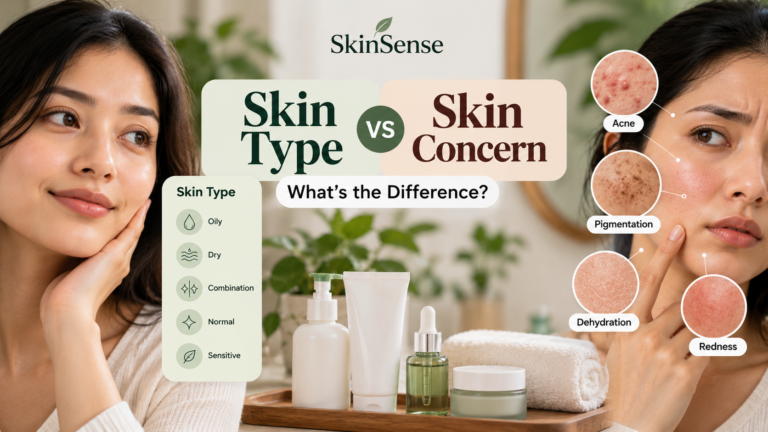
Choosing a cleanser becomes easier when you understand your underlying skin type.
Someone with oily skin may have completely different cleansing needs from someone with dry or sensitive skin.
Your current concerns matter too.
You may have oily skin with dehydration, dry skin with acne, or combination skin that becomes sensitive after using certain products.
If you are unsure where your skin fits, the SkinSense assessment asks simple questions about how your skin looks, feels, and behaves to help you better understand your skin.
Take the SkinSense Skin Assessment
Understanding your skin first can make it easier to choose a cleanser and build a routine around your actual needs instead of following generic skincare trends.
Final Thoughts
Skin feeling extremely tight after washing is not necessarily proof that your cleanser is working well.
It may be a sign that your cleanser is too harsh, your water is too hot, you are cleansing too frequently, or your overall skincare routine is placing too much stress on your skin.
Pay attention to what happens after you wash your face.
Clean skin should not have to mean uncomfortable skin.
Choose cleansing products according to your skin type, avoid unnecessarily aggressive washing, moisturize appropriately, and give your skin barrier the care it needs.
If tightness continues alongside redness, burning, persistent flaking, itching, or other significant symptoms, speak with a dermatologist rather than continuing to experiment with increasingly strong skincare products.