Stop Guessing.
Start Knowing
Identify your real skin type and transform your skin.
Get Your InstantSkin Care Routine
Pakistan’s summer can be tough on your skin. You leave home with a freshly washed face, and within an hour, your forehead looks shiny, sunscreen feels sticky, and makeup starts losing its finish.
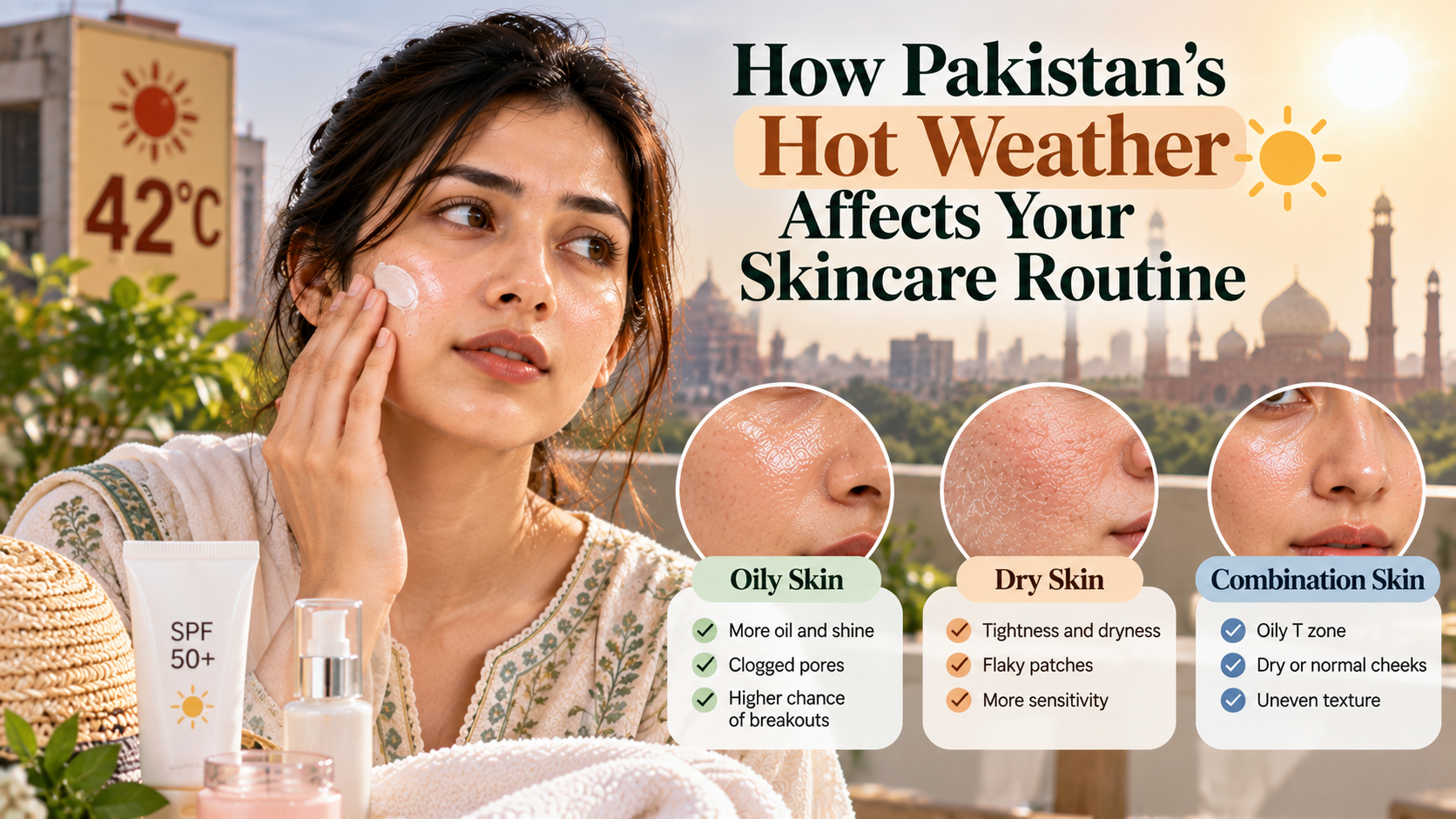
For some people, the heat brings more oiliness and breakouts. Others experience dryness, irritation, or uneven skin tone despite sweating throughout the day.
The confusing part is that your usual skincare products may suddenly stop feeling comfortable.
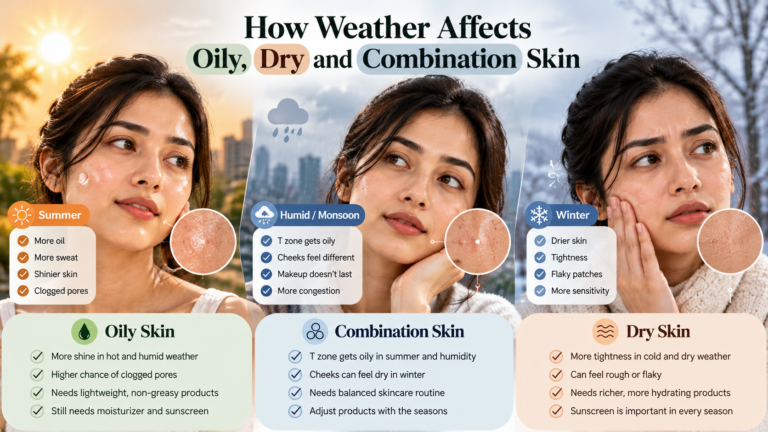
Hot weather, humidity, sweat, and sun exposure can all influence how your skin behaves. But these changes don’t affect everyone equally. Someone with oily skin may struggle with excess shine, while a person with dry skin might experience dehydration or irritation.
Understanding these differences can help you adjust your skincare routine for Pakistan’s climate without buying an entirely new collection of products.
Why Does Pakistan’s Summer Affect Your Skin?
Summer temperatures in many Pakistani cities can rise above 40°C, particularly during intense heatwaves.
Cities such as Lahore, Multan, and Faisalabad experience extremely hot conditions, while Karachi often combines heat with high humidity.
These environmental differences matter because your skin responds to both temperature and moisture in the surrounding air.
Hot weather can increase sweating and make facial oiliness more noticeable. Strong sunlight exposes your skin to ultraviolet radiation, while air conditioning may contribute to dryness in indoor environments.
Pollution, dust, and prolonged outdoor activities can add further discomfort.
Your skin’s protective barrier helps maintain moisture and defend against external irritants. When environmental conditions change, the products that previously felt comfortable may need some adjustment.
However, hot weather does not automatically mean your skin type has changed.
1. Hot Weather Can Make Oily Skin Feel Greasier
If you have oily skin, summer may make excess shine more noticeable.
Your sebaceous glands produce sebum, a natural oil that helps protect and lubricate your skin. Heat can influence sebum production, while increased sweating can make the surface feel even greasier.
You might notice your forehead becoming shiny shortly after cleansing or your nose looking oily by midday.
Makeup may also become harder to maintain.
A common reaction is to wash the face repeatedly or use stronger cleansers to remove every trace of oil.
Unfortunately, aggressive cleansing can cause irritation and dryness.
What Should You Do?
Choose a gentle cleanser suitable for oily skin.
Lightweight gel moisturizers or lotions may feel more comfortable than heavy creams.
You can also consider a sunscreen with a lightweight or matte finish.
Avoid assuming that oily skin doesn’t need moisturizer. Your skin still requires adequate hydration, even when it produces excess sebum.
2. Humidity Can Change How Your Skin Feels
Humidity plays an important role in how comfortable your skin feels during summer.
When the air contains more moisture, sweat may evaporate less efficiently. This can leave your face feeling sticky, particularly during humid weather.
People living in Karachi or experiencing Lahore’s monsoon season may recognize this feeling.
For oily skin, humidity can make shine more noticeable.
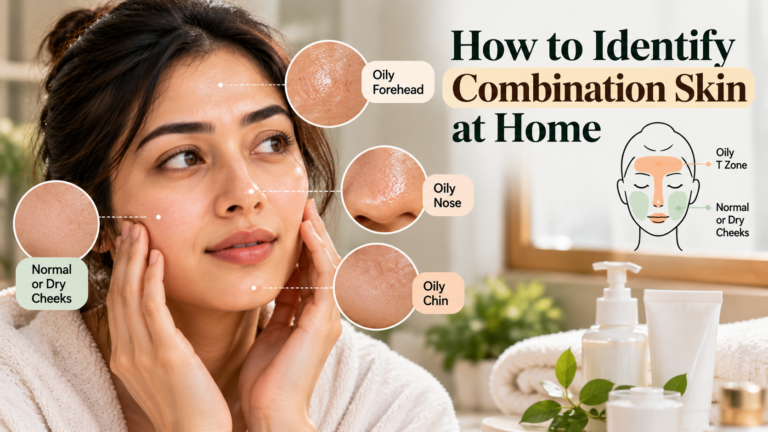
For combination skin, the forehead, nose, and chin may become particularly greasy while the cheeks remain relatively comfortable.
Dry skin may sometimes feel less tight in humid conditions, but this does not mean moisturizing is unnecessary.
Humidity and skin hydration are not the same thing.
Your skin can still experience dehydration or irritation even when the surrounding air feels humid.
The best approach is to select skincare textures that feel comfortable without neglecting basic moisturizing care.
3. Sweating Can Contribute to Skin Irritation
Sweating is your body’s natural cooling mechanism.
During Pakistan’s summer, increased perspiration is completely normal. However, sweat combined with friction, tight clothing, and prolonged moisture can sometimes contribute to irritation.
You may notice small bumps around your forehead, hairline, neck, or other areas where sweat accumulates.
Heat rash can also develop when sweat becomes trapped within the skin.
This doesn’t mean sweat itself is dirty or harmful.
The problem often involves prolonged moisture, friction, blocked sweat ducts, or irritation.
How to Reduce Sweat Related Discomfort
After heavy sweating, gently rinse or cleanse your face when appropriate.
Avoid rubbing your skin aggressively with towels.
Wear breathable clothing and try to keep your body cool.
If you develop persistent itchy bumps, painful irritation, or a spreading rash, consult a dermatologist rather than assuming every summer breakout is ordinary acne.
4. Your Cleanser May Need an Adjustment
Cleansing becomes particularly important during hot weather because sweat, oil, sunscreen, and environmental particles can accumulate throughout the day.
However, this doesn’t mean you need the strongest face wash available.
An overly harsh cleanser may remove too much of your skin’s natural oil and leave your face feeling tight.
People with oily skin may prefer gentle gel or foaming cleansers.
Those with dry or sensitive skin may find creamy or hydrating formulations more comfortable.
Combination skin often benefits from a balanced cleanser that removes excess oil without making the cheeks feel stripped.
For many people, cleansing in the evening helps remove accumulated sunscreen, makeup, and everyday impurities.
The goal is to clean your face effectively without causing unnecessary irritation.
5. Sunscreen Becomes Especially Important During Summer
Pakistan’s intense summer sunlight makes sun protection an essential part of your daily routine.
Ultraviolet radiation can contribute to sunburn, premature skin aging, pigmentation changes, and an increased risk of skin cancer.
UVA rays are associated with photoaging and pigmentation, while UVB rays are strongly associated with sunburn.
Both types contribute to skin damage.
Choose a broad spectrum sunscreen with SPF 30 or higher.
The formulation should also suit your skin type.
If your face becomes oily quickly, a lightweight fluid or gel sunscreen may feel more comfortable.
Dry skin may benefit from a moisturizing sunscreen lotion.
For sensitive skin, consider a formula designed for sensitive skin and avoid ingredients you know cause irritation.
Apply sunscreen generously to exposed areas, including your face, ears, and neck.
When outdoors, reapply approximately every two hours and after swimming or heavy sweating.
If you spend long periods outside, shade, hats, and protective clothing are also important.
6. Hot Weather Can Make Acne Management More Challenging
Summer doesn’t automatically cause acne, but heat related changes can make breakouts more troublesome for some people.
Sweat, oil, friction, and certain skincare products may contribute to clogged pores or irritation.
Heavy formulations can also feel uncomfortable when combined with increased perspiration.
If you have acne prone skin, consider products labelled noncomedogenic, although this label cannot guarantee that a product will never cause breakouts.
Avoid scrubbing your face repeatedly to control acne.
If you are already using acne treatments, pay attention to dryness and irritation. Some active ingredients may make your skin less comfortable when combined with an aggressive cleansing routine.
Persistent or painful acne should be evaluated by a qualified dermatologist.
7. Sun Exposure Can Make Pigmentation More Noticeable
Pigmentation is an important concern for many people with South Asian skin tones.
Conditions such as melasma and post inflammatory hyperpigmentation may become more noticeable with sun exposure.
For example, someone who already has dark marks from previous acne may notice that these areas become more prominent after spending time outdoors without adequate protection.
Melasma can also be influenced by visible light and heat in some individuals.
This makes consistent sun protection particularly important.
Broad spectrum sunscreen is a good starting point. Tinted sunscreens containing iron oxides may offer additional protection against visible light, which can be useful for some pigmentation concerns.
However, sunscreen alone may not resolve existing pigmentation.
If dark patches persist or worsen, a dermatologist can help identify the cause and recommend appropriate treatment.
8. Air Conditioning Can Make Your Skin Feel Dry
You might spend the afternoon sweating outdoors and then several hours sitting in an air conditioned office.
This repeated change in environment can affect skin comfort.
Air conditioning often reduces indoor humidity, which may contribute to dryness.
People with naturally dry or sensitive skin may notice tightness around their cheeks or mouth after spending long periods indoors.
Even oily skin can experience dehydration.
If your skin feels uncomfortable despite looking shiny, consider whether your moisturizer provides enough hydration.
A lightweight moisturizer containing ingredients such as glycerin or hyaluronic acid may help.
For particularly dry areas, a richer moisturizing formulation may be appropriate.
9. Should You Change Your Moisturizer During Summer?
Not everyone needs to change moisturizer when temperatures rise.
However, texture can make a noticeable difference.
A thick cream that feels comfortable during winter may feel heavy or sticky during humid summer weather.
If your skin becomes uncomfortable, switching to a lighter lotion or gel cream may help.
For oily skin, lightweight formulations are often preferred.
Dry skin may still require richer moisturizing products, even during summer.
Combination skin may benefit from applying different amounts of moisturizer to different areas.
Remember that moisturizer is not only for dry skin.
Its purpose includes supporting hydration and reducing water loss, which remains important throughout the year.
10. A Simple Morning Skincare Routine for Pakistani Summers
Your morning routine doesn’t need ten different products.
For many people, three basic steps are enough.
Step 1: Gentle Cleansing
Wash your face with a suitable cleanser if needed.
Avoid hot water and aggressive scrubbing.
Step 2: Moisturizing
Apply a moisturizer according to your skin type.
Choose a texture that feels comfortable in hot weather.
Step 3: Sun Protection
Finish with broad spectrum SPF 30 or higher sunscreen.
Apply an adequate amount before outdoor exposure and remember to reapply when necessary.
If you wear makeup, allow your sunscreen to settle before applying foundation.
The most effective routine is one you can follow consistently.
11. Your Nighttime Skincare Routine Matters Too
After a long summer day, your skin may have accumulated sweat, sunscreen, makeup, and environmental particles.
Evening cleansing helps remove these substances.
Start by removing makeup and sunscreen. If necessary, use a suitable makeup remover followed by a gentle cleanser.
Then apply moisturizer.
If you use retinol, exfoliating acids, or acne treatments, follow the product instructions and your dermatologist’s advice.
Avoid introducing several strong active ingredients simultaneously, particularly if your skin is already irritated.
Summer skincare should focus on maintaining skin comfort rather than constantly experimenting with new products.
12. Common Summer Skincare Mistakes to Avoid
One common mistake is skipping moisturizer because the face feels oily.
Another is applying too little sunscreen because a larger amount feels uncomfortable.
Some people repeatedly wash their faces throughout the day, believing that removing oil more frequently will improve their skin.
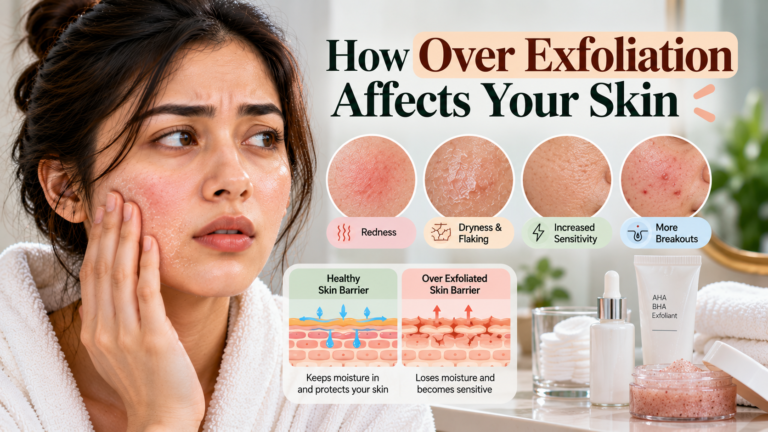
Others use strong exfoliating products to achieve a smoother appearance.
These habits can cause unnecessary irritation.
Also, don’t assume that an expensive or imported skincare product will automatically suit your skin.
Check the ingredient list, purchase from reliable sellers, and choose formulations according to your actual needs.
A simple routine with appropriate products is often more useful than a complicated collection of skincare treatments.
13. How to Know Whether Your Summer Skincare Routine Is Working
Pay attention to how your skin feels throughout the day.
A suitable routine should help keep your skin comfortable without persistent tightness, burning, or excessive irritation.
Some shine is normal, particularly if you naturally have oily skin.
Your face doesn’t need to remain completely matte to be healthy.
Similarly, occasional sweating doesn’t mean your cleanser or moisturizer has failed.
If a product consistently causes stinging, redness, or discomfort, reconsider whether it suits your skin.
Observe patterns over several days instead of judging your routine after one unusually hot afternoon.
14. Understand Your Skin Type Before Changing Products
One reason summer skincare becomes confusing is that people often choose products based on weather alone.
But your underlying skin type matters just as much.
Someone with oily skin may prefer a different sunscreen texture from someone with dry skin.
Combination skin may require a balance between controlling shine and maintaining comfort.
Sensitive skin may need particular care when introducing active ingredients.
If you are unsure about your skin type, SkinSense offers a simple questionnaire designed to help you better understand how your skin looks, feels, and behaves.
Developed with dermatologist Dr. Usman Lashari, the SkinSense assessment can help you make more informed everyday skincare decisions.
Take the SkinSense Skin Assessment: https://skinsense.io
The assessment is an educational tool and does not replace medical diagnosis or personalized treatment.
Final Thoughts
Pakistan’s hot weather can influence your skin in several ways.
Higher temperatures may make oiliness more noticeable. Humidity can leave the face feeling sticky, while intense sunlight increases the importance of sun protection.
Dry skin may need additional moisturizing care, and combination skin can behave differently across various facial areas.
The solution isn’t necessarily to buy more products.
Understand your skin type, choose comfortable formulations, cleanse gently, moisturize appropriately, and protect your skin from the sun.
Your routine should work with your skin, not against it.
When you understand what your skin actually needs, caring for it during Pakistan’s summer becomes much simpler.