Stop Guessing.
Start Knowing
Identify your real skin type and transform your skin.
Get Your InstantSkin Care Routine
Having some oil on your skin is completely normal. Your skin produces sebum, an oily substance made by sebaceous glands, to help keep the skin moisturised and protect its surface. The problem starts when these glands produce more sebum than your skin needs.
Excessively oily skin can leave your face looking shiny, make makeup difficult to keep in place, and contribute to clogged pores, blackheads, whiteheads and acne. For some people, the oiliness is temporary, while others deal with it for years.
But what actually causes excessive oil production?
The answer is not always as simple as having “dirty” skin or using the wrong moisturiser. Hormones, genetics, climate, skincare habits and several other factors can influence how much oil your skin produces.
What Is Oily Skin?
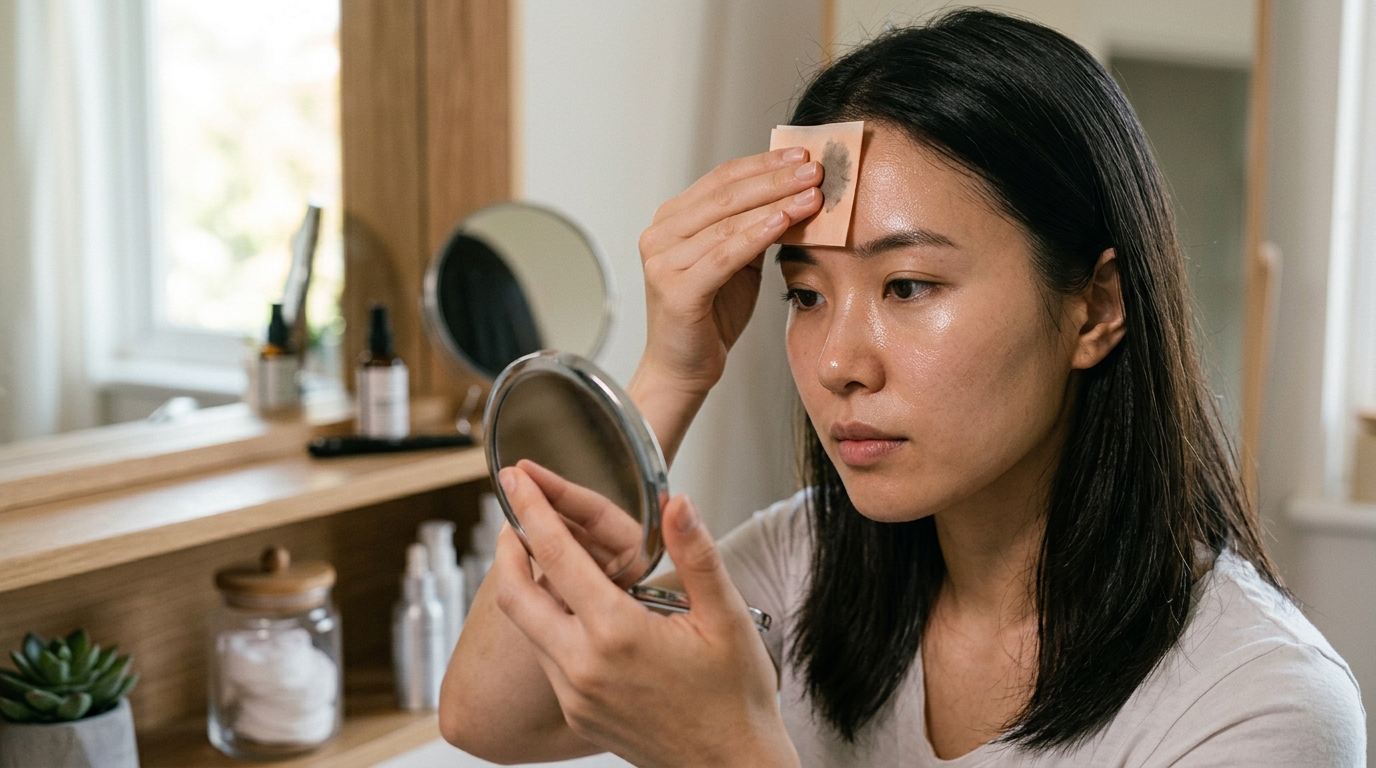
Oily skin occurs when the sebaceous glands produce an excess amount of sebum.
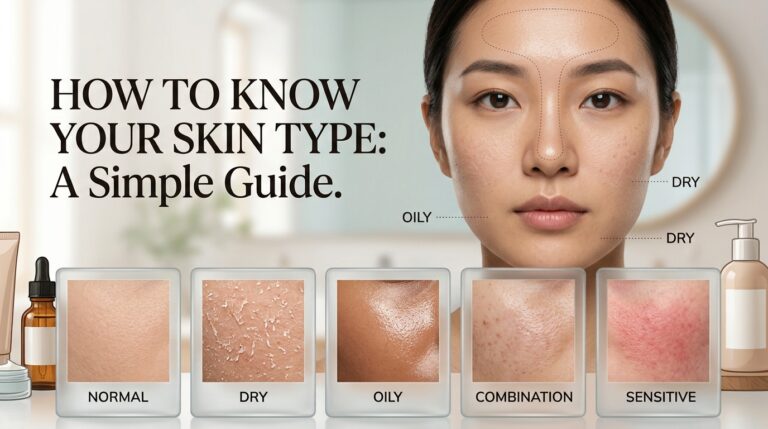
These glands are found throughout the skin, with a higher concentration around areas such as the forehead, nose, cheeks and chin. This is why the T-zone often appears oilier than the rest of the face.
Sebum itself is not bad. It helps prevent excessive water loss and supports the skin barrier. Healthy skin needs some oil.
The issue is excess production.
When too much sebum mixes with dead skin cells, bacteria and other debris, it can contribute to blocked pores. This may increase the likelihood of blackheads, whiteheads and acne.
1. Genetics Can Play a Major Role
If oily skin runs in your family, there is a good chance you may experience it too.
Genetics can influence the size and activity of your sebaceous glands, as well as how much sebum your skin produces. Some people naturally have more active oil glands than others.
This means that two people can follow the same skincare routine and still have very different levels of oil production.
If your skin has always been oily, genetics may be one of the main reasons.
2. Hormonal Changes Can Increase Oil Production
Hormones have a significant effect on sebaceous glands.
Androgens, a group of hormones that includes testosterone, can stimulate the sebaceous glands and increase sebum production. This is one reason oily skin and acne can become more noticeable during puberty.
Hormonal fluctuations can also affect oil production during adulthood.
Some people notice increased oiliness around their menstrual cycle, while hormonal conditions can also contribute to persistent acne and excessive sebum production.
If oily skin suddenly becomes much worse, particularly when accompanied by persistent acne or other changes, it may be worth discussing with a dermatologist.
3. Your Skincare Routine May Be Making Things Worse
One of the most common mistakes people with oily skin make is trying to remove every trace of oil.
They may use harsh cleansers, scrub their face frequently or wash it several times a day.
This can irritate the skin and damage its protective barrier.
A harsh routine can leave the skin feeling tight, dry or uncomfortable. Instead of aggressively trying to remove oil, the better approach is to use gentle products that cleanse without unnecessarily stripping the skin.
Oily skin still needs moisturisation. Skipping moisturiser completely is not a reliable way to control sebum production.
4. Overwashing Can Irritate the Skin
Washing your face is important, but more washing does not automatically mean less oil.
If you repeatedly cleanse your skin throughout the day, particularly with strong cleansers, you may cause dryness and irritation.
A gentle cleanser used appropriately is generally a better option than repeatedly washing your face whenever you notice shine.
Your goal should be to remove excess oil, sunscreen, makeup and impurities without leaving the skin stripped.
5. Your Climate Can Affect Oiliness
Climate can have a noticeable effect on how oily your skin feels.
Hot and humid weather can make the skin appear shinier because heat and humidity can increase sweating and make sebum spread more easily across the skin.
This can be particularly noticeable during hot summer months.
People living in warm climates may therefore feel that their skin becomes significantly oilier during certain parts of the year.
However, climate is not necessarily the underlying cause of naturally oily skin. It can simply make existing oil production more noticeable.
6. Stress May Affect Your Skin
Stress does not affect everyone in exactly the same way, but it can influence several processes involved in skin health.
During periods of stress, the body undergoes hormonal and physiological changes. These changes can affect inflammatory pathways and may contribute to acne flare-ups in some people.
If you notice that your skin becomes oilier or your acne worsens during stressful periods, stress may be one factor worth considering.
That does not mean stress is always the direct cause of oily skin. Skin concerns usually have multiple contributing factors.
7. The Products You Use May Not Suit Your Skin
Another possible reason for persistent shine is using products that are not appropriate for your skin type or concerns.
Heavy creams, certain cosmetic products or poorly matched skincare formulas may make oily skin feel greasy or uncomfortable.
This does not mean people with oily skin should avoid moisturisers or skincare products altogether.
Instead, look for formulations that suit your skin and avoid assuming that a product is suitable simply because it is popular.
Your skin may need hydration without needing a heavy, greasy formulation.
8. Dehydrated Skin Is Not the Same as Dry Skin
This is an important distinction.
Dry skin is generally considered a skin type, while dehydration refers to a lack of water in the skin.
A person can have oily and dehydrated skin at the same time.
For example, someone may have an oily forehead and nose but still experience tightness, discomfort or flaky areas. This can happen when the skin barrier is compromised or when the skincare routine is too aggressive.
Trying to “dry out” oily skin further may make the situation more uncomfortable.
Instead, the goal is to maintain a healthy skin barrier while managing excess sebum.
9. Acne and Excess Sebum Often Go Together
Excessive oil production does not automatically mean someone will develop acne, but sebum can play an important role in acne development.
When excess sebum combines with dead skin cells, pores can become blocked. This creates an environment where acne lesions can develop.
If oily skin is accompanied by frequent breakouts, blackheads, whiteheads or painful spots, simply washing your face more often may not solve the problem.
A proper skincare routine and, when needed, professional treatment can help address the underlying factors contributing to acne.
10. Certain Medications and Medical Conditions May Affect Oil Production
In some cases, changes in skin oiliness can be related to medications or underlying hormonal and medical conditions.
If your skin has suddenly become significantly oilier without an obvious explanation, or if the change occurs alongside persistent acne, irregular periods, unusual hair growth or other symptoms, it is sensible to speak with a qualified healthcare professional.
Do not assume that every case of oily skin is simply a skincare problem.
A dermatologist can assess your skin and determine whether further evaluation or treatment is appropriate.
How Can You Control Excessively Oily Skin?
You do not need to eliminate oil completely. The goal is to manage excess sebum while keeping the skin comfortable and healthy.
A simple routine may include:
Gentle cleanser: Cleanse your face without aggressively scrubbing or repeatedly washing it.
Lightweight moisturiser: Oily skin still needs hydration. Choose a formulation that feels comfortable and suits your skin.
Sunscreen: Use a broad spectrum sunscreen during the day. Look for a texture that works well for your skin type.
Targeted ingredients: Depending on your individual concerns, ingredients such as salicylic acid, niacinamide or retinoids may be useful. However, not every ingredient is appropriate for everyone, and introducing too many active products at once can cause irritation.
Avoid excessive exfoliation: Scrubbing harder or exfoliating more frequently is not a solution for excessive oil production.
What Should You Avoid If You Have Oily Skin?
If your skin produces a lot of oil, it can be tempting to use every product marketed for oil control.
That approach can backfire.
Avoid constantly washing your face, using harsh scrubs, picking at clogged pores or layering multiple strong active ingredients without understanding how they work together.
Also, do not assume that oily skin means you should completely avoid moisturiser.
The better approach is to build a balanced routine based on your actual skin type and concerns.
When Should You See a Dermatologist?
Occasional shine is normal. Persistent excessive oiliness accompanied by acne, inflammation, clogged pores or other skin changes may require more attention.
Consider seeing a dermatologist if:
• Your acne is persistent or painful
• Your skin has suddenly become much oilier
• Over-the-counter products are not helping
• You experience significant irritation or inflammation
• You have other symptoms that may suggest a hormonal issue
A dermatologist can assess your skin rather than relying on assumptions about what is causing the problem.
Final Thoughts
Excessively oily skin can have several causes. Genetics, hormones, climate, skincare habits, stress and other factors can all influence sebum production.
The important thing is not to treat oil as something that must be completely removed. Sebum is a normal and useful part of healthy skin. The goal is to manage excess oil without damaging the skin barrier.
If you are unsure why your skin is excessively oily, start by understanding your skin type and reviewing your current routine. Professional guidance can also help you choose products and treatments that are appropriate for your individual needs.
Healthy skin is not about having zero oil. It is about finding the right balance for your skin.