Stop Guessing.
Start Knowing
Identify your real skin type and transform your skin.
Get Your InstantSkin Care Routine
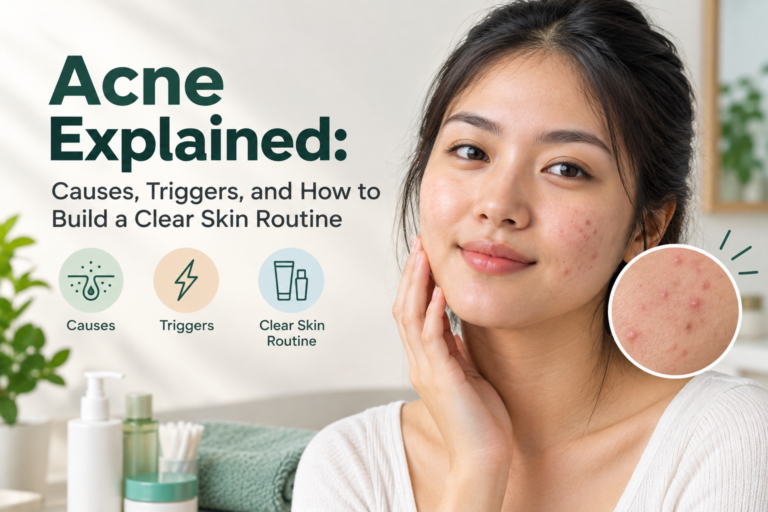
Acne is one of the most common skin concerns, but the products you use and the way you care for your skin can sometimes make breakouts worse.
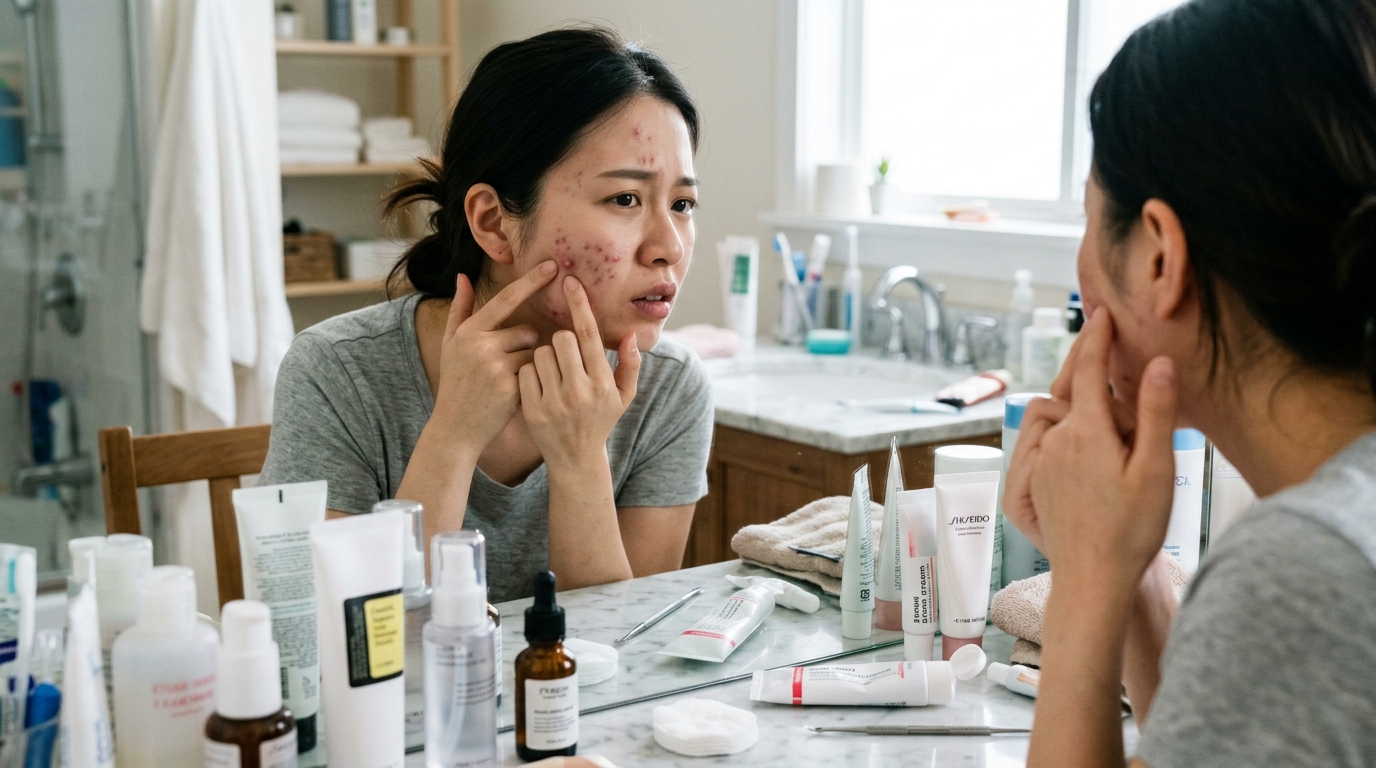
When acne appears, it is natural to want to fix it quickly. Some people start washing their face repeatedly, scrub their skin aggressively, apply several acne treatments at once or use harsh home remedies. Instead of helping, these habits can irritate the skin, weaken the skin barrier and make breakouts more difficult to manage.
Understanding what you should avoid can be just as important as knowing what you should use.
Here are some of the most common skincare mistakes that can make acne worse.
1. Washing Your Face Too Often
Keeping your face clean is important, but washing it repeatedly throughout the day does not necessarily prevent acne.
Frequent cleansing, especially with harsh products, can remove too much of the skin’s natural oil and cause irritation. This may leave the skin feeling tight, dry or uncomfortable.
People with oily skin often make this mistake because they believe removing oil repeatedly will stop breakouts. In reality, aggressive cleansing can disrupt the skin barrier and make the skin more irritated.
A gentle cleanser used appropriately is usually a better approach than repeatedly washing your face whenever you notice oil.
2. Scrubbing Your Skin Aggressively
Scrubs can feel satisfying when your skin is oily or congested, but aggressive physical exfoliation can irritate acne prone skin.
Acne is not simply dirt sitting on the surface of your skin. Scrubbing harder does not remove the underlying causes of acne.
Rough scrubs can create irritation, particularly when you already have inflamed pimples. This can make redness and discomfort more noticeable.
If exfoliation is appropriate for your skin, a dermatologist can help you determine which type and frequency makes sense for your specific concerns.
3. Picking or Popping Pimples
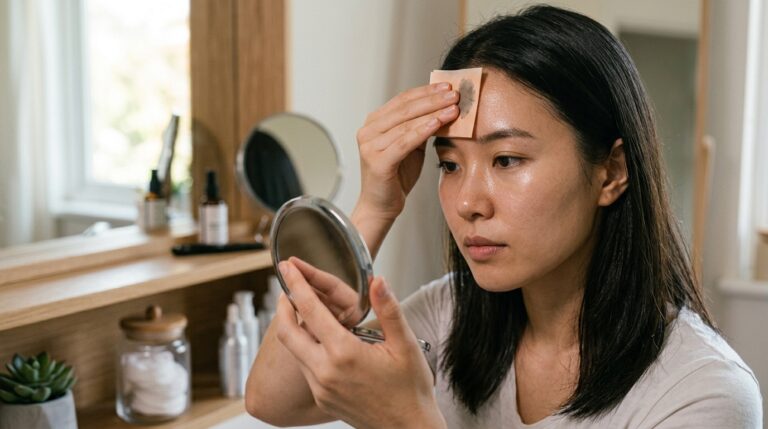
This is one of the most tempting skincare habits and one of the easiest to repeat.
Popping a pimple may appear to remove it temporarily, but squeezing can increase inflammation and potentially push material deeper into the skin.
It can also increase the risk of post acne marks and scarring.
If a pimple is painful or persistent, trying to squeeze it yourself is rarely the best solution. Proper acne treatment can help the lesion heal without unnecessary trauma.
4. Using Too Many Acne Products at Once
When someone wants clear skin quickly, it can be tempting to combine several acne treatments.
For example, they may use an exfoliating acid, acne cleanser, retinoid and spot treatment together without understanding how these ingredients interact.
More active ingredients do not automatically mean better results.
Using too many products can cause dryness, burning, peeling and irritation. Once the skin becomes irritated, it can become harder to determine which product is helping and which one is causing the problem.
A simple routine with carefully selected active ingredients is often easier to maintain and monitor.
5. Using Harsh Products to “Dry Out” Acne
Some people believe acne needs to be dried out completely.
This can lead to the use of strong alcohol based products, harsh cleansers or other irritating treatments.
Acne prone skin still needs a healthy skin barrier. Excessive dryness can cause discomfort and irritation without addressing the underlying process responsible for acne.
Instead of trying to remove every trace of oil, focus on keeping the skin clean, comfortable and appropriately hydrated.
6. Skipping Moisturiser
If your skin is oily or acne prone, you may think moisturiser will make your breakouts worse.
That is not necessarily true.
Some acne treatments can cause dryness or irritation, making moisturisation an important part of maintaining skin comfort and barrier function.
The key is choosing a moisturiser that suits your skin rather than avoiding moisturiser altogether.
Look for a lightweight formulation that feels comfortable on your skin and does not leave you feeling excessively greasy.
7. Choosing Products Only Because They Are Trending
Social media has made skincare advice easier to find, but not all popular skincare trends are suitable for acne prone skin.
A product may work well for one person and cause irritation for another.
Following every viral routine can also result in product overload. You may end up using several active ingredients without knowing which ones your skin actually needs.
Instead of copying someone else’s routine, consider your own skin type, concerns and tolerance.
Professional advice can be especially useful when acne is persistent or severe.
8. Not Removing Makeup Properly
Leaving makeup on for long periods, particularly overnight, is not ideal for acne prone skin.
Makeup itself is not automatically responsible for acne, but certain products may contribute to clogged pores or irritation in some people.
If you wear makeup, remove it properly at the end of the day and cleanse your skin gently.
Also pay attention to products that repeatedly seem to trigger breakouts. Your individual response matters more than a product’s popularity.
9. Ignoring Your Hair and Hair Products
Your skincare routine is not the only thing that comes into contact with your face.
Hair oils, styling products and other hair care products can transfer onto the forehead, temples and sides of the face.
For some people, this can contribute to clogged pores or breakouts in those areas.
If you repeatedly develop acne around your hairline or forehead, look at both your skincare and hair care habits.
Keeping hair products away from the facial skin and regularly washing pillowcases can also be useful hygiene habits.
10. Not Giving Products Enough Time
Another common mistake is changing products too quickly.
Someone starts a new acne treatment, does not see immediate results and replaces it with something else within a few days.
Acne generally does not disappear overnight. Many treatments require consistent use over time before noticeable improvement occurs.
Constantly changing your routine also makes it difficult to know which product is actually helping.
Give an appropriate treatment enough time to work unless you experience significant irritation or your healthcare professional advises otherwise.
11. Using Home Remedies Without Understanding Their Effects
Lemon juice, toothpaste, baking soda and other household ingredients are sometimes promoted online as quick acne treatments.
These remedies are not automatically safe for facial skin.
Some can cause irritation, dryness or even chemical burns. Acne is a medical skin condition, so treating it with random household ingredients can create additional problems.
If you want to treat acne effectively, choose products with evidence behind them or speak with a dermatologist.
12. Forgetting Sunscreen
People with acne often focus entirely on controlling breakouts and forget about sun protection.
UV exposure can worsen post inflammatory hyperpigmentation, which means acne marks may become darker and take longer to fade.
Using an appropriate broad spectrum sunscreen during the day can therefore be an important part of an acne friendly skincare routine.
If you find that sunscreen feels heavy or greasy, look for a formulation that suits oily or acne prone skin.
13. Changing Your Routine Every Time You Get a Breakout
A sudden breakout does not necessarily mean your entire skincare routine has failed.
Skin can respond to hormonal changes, stress, climate, sleep patterns and many other factors.
Immediately replacing all your products can lead to unnecessary irritation and make it harder to identify the actual problem.
Instead, look at what changed and make adjustments carefully.
14. Treating Every Bump as Acne
Not every facial bump is acne.
Conditions such as folliculitis, rosacea, perioral dermatitis and other skin problems can sometimes look similar to acne.
Using strong acne treatments on a condition that is not acne can make the problem worse.
If your breakouts are unusual, persistent, itchy, painful or not responding to typical acne treatments, getting a proper diagnosis is important.
How to Build a Better Acne Skincare Routine
An acne friendly routine does not need to contain ten different products.
A basic routine may include:
Morning
Gentle cleanser
Suitable moisturiser
Broad spectrum sunscreen
Evening
Gentle cleanser
Recommended acne treatment
Suitable moisturiser
The exact products and active ingredients should depend on your skin and the type and severity of your acne.
Ingredients commonly used in acne care include salicylic acid, benzoyl peroxide and topical retinoids. However, they are not suitable for everyone in the same way, and using more than necessary can cause irritation.
When Should You See a Dermatologist?
Mild occasional breakouts can sometimes be managed with appropriate skincare, but persistent or severe acne may require professional treatment.
Consider seeing a dermatologist if you have:
• Painful or deep pimples
• Frequent breakouts
• Acne that is leaving scars
• Dark marks that persist after breakouts
• Acne that is affecting your confidence or daily life
• Skin irritation from acne products
• Breakouts that are not improving despite consistent skincare
A dermatologist can determine what type of acne you have and recommend treatment based on your skin rather than relying on trial and error.
Final Thoughts
Acne is not caused by one simple mistake, and fixing acne does not mean buying more skincare products.
Repeatedly washing your face, aggressive scrubbing, popping pimples, using too many active ingredients and following random internet remedies can all make acne prone skin more irritated.
A better approach is to keep your routine simple, use appropriate products consistently and pay attention to how your skin responds.
If acne continues despite proper skincare, do not keep experimenting indefinitely. Getting professional advice can help identify the underlying problem and put you on a more suitable treatment plan.
Good skincare is not about doing more. It is about doing what your skin actually needs.
Visit skinsense.io for a quick skin assessment.